GGBS and Fly Ash in Gulf Concrete: Blended Cements Explained
How GGBS and fly ash work in concrete, how much cement they replace, what they do for heat and durability, the standards and Dubai and Saudi rules, and who supplies them in the Gulf.
GGBS (ground granulated blast furnace slag) and fly ash replace part of the Portland cement in concrete. In the Gulf they are used mainly for durability against chlorides and sulphates and to cut heat in thick pours; in Dubai, substructure concrete must contain one of them. GGBS is commonly used at about 50% of the binder, fly ash at 15 to 30%. Find cement and concrete suppliers in the UAE or in Saudi Arabia that stock them.
This guide is for engineers, ready-mix and precast producers and buyers who need to specify, approve or buy slag and fly ash mixes. It covers how the materials work, replacement levels, heat and strength gain, the standards and the Dubai and Saudi rules, and where supply comes from. For cement types and producers in general, start with our main guide to cement types, brands and rules in the UAE and Saudi Arabia.
What GGBS and fly ash are
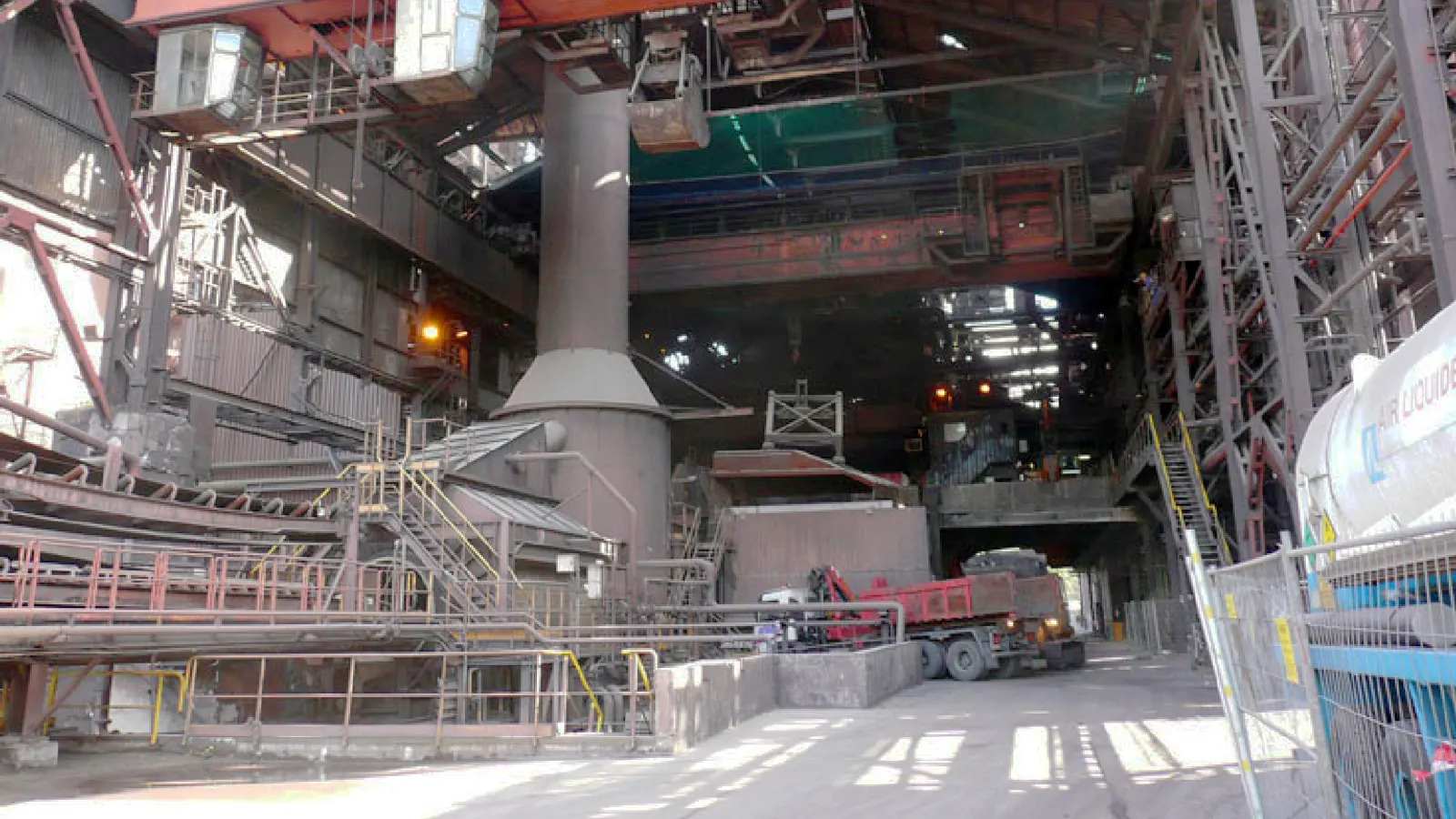
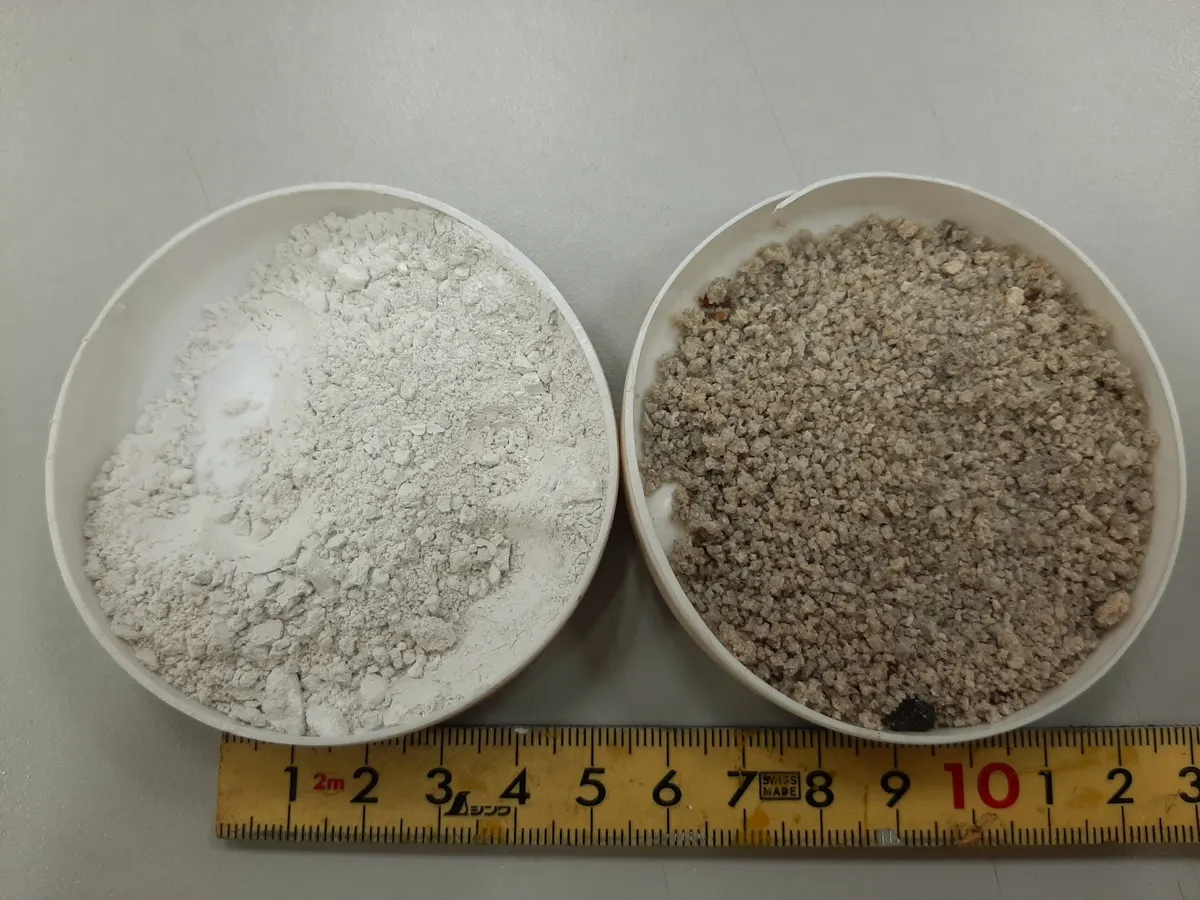
GGBS is a by-product of iron making. Molten slag from the blast furnace is quenched, which leaves it glassy, and then ground into a fine powder. Gulf Cement's data sheet notes that GGBS does not hydrate and harden on its own: it needs Portland cement for activation, reacting with the calcium hydroxide that cement releases to form additional calcium silicate hydrate (C-S-H), the main binding phase.
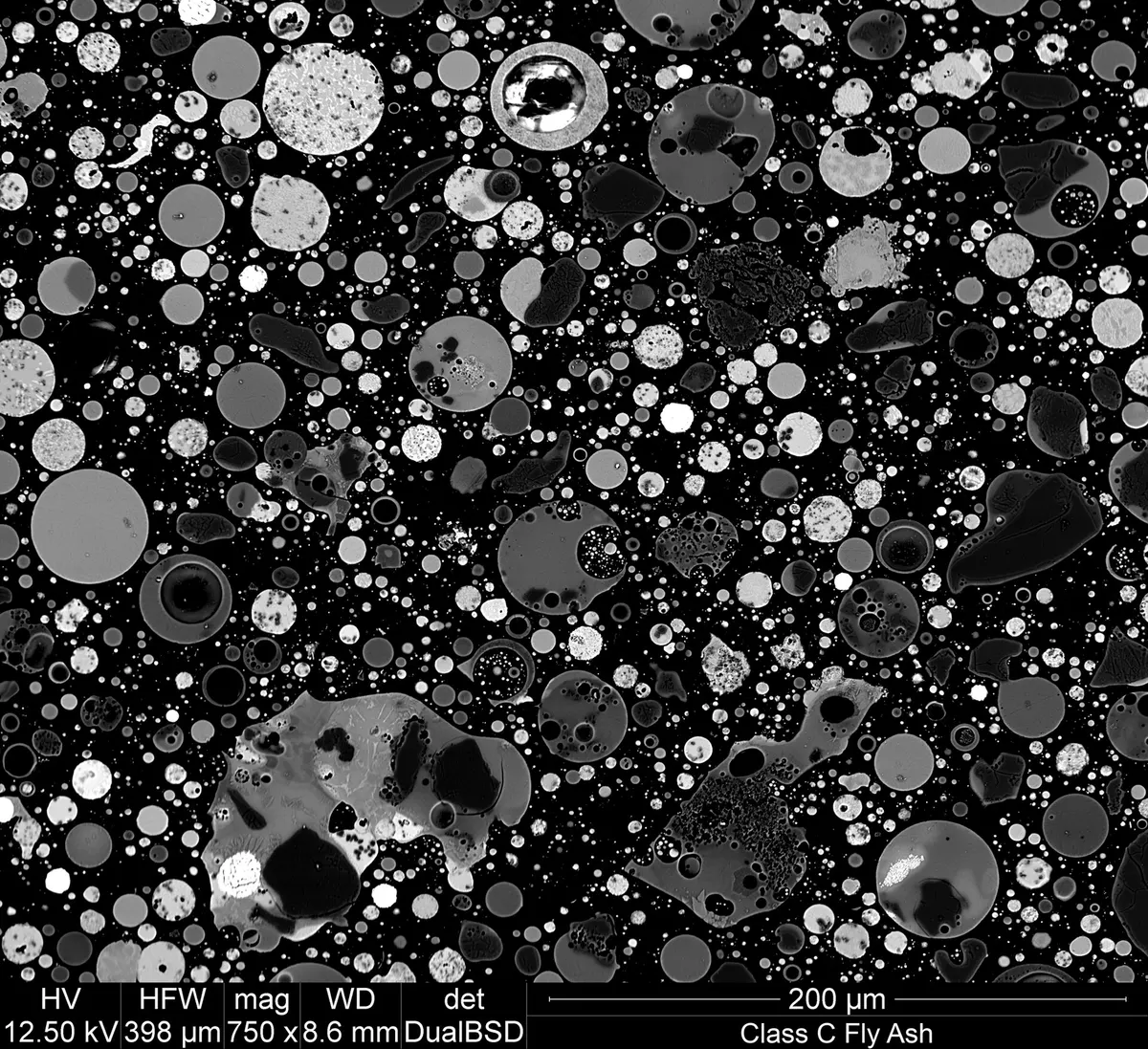
Fly ash is the fine ash collected from coal-fired power plants. The US Federal Highway Administration describes it as a pozzolan: a siliceous or alumino-siliceous material that, finely divided and in the presence of water, reacts with calcium hydroxide to form cementitious compounds. ASTM C618 splits it into Class F (low calcium, typically under 10% CaO) and Class C (high calcium, typically over 20% CaO).
Both can be added at the batching plant as a separate powder alongside OPC, or bought pre-blended in a factory-made cement such as CEM II/B-V (Portland fly ash cement) or CEM III/A (blast furnace cement).
Replacement levels
Material
Commonly quoted level
Higher levels
Source of the figure
GGBS
About 50% of total binder
Up to 70% in aggressive chloride and alkali exposure
Gulf Cement GGBS data sheet
GGBS (general)
40 to 50% in most cases
30 to 85% range
Wikipedia summary of practice
Fly ash
15 to 30% of the Portland cement
Higher for mass concrete
FHWA, Fly Ash Facts for Highway Engineers
These are starting points, not specifications. The level for your job comes from the exposure class and the cement category in the specification; in Dubai, from the Dubai Building Code tables referred to below. The FHWA advises testing mixes at several replacement levels with local materials and plotting strength against time before choosing.
What they do for Gulf concrete
Chloride and sulphate durability
Gulf Cement lists improved resistance to sulphate and chloride attack as GGBS's main benefit and recommends it for marine and coastal work and for foundations in aggressive ground. The FHWA lists three ways fly ash improves sulphate resistance: it consumes free lime, it lowers permeability, and replacing cement reduces the reactive aluminates available. Lower permeability also slows the ingress that drives reinforcement corrosion. That is the gap that sulphate resisting cement alone does not close; our comparison of OPC, SRC and white cement explains why.
Heat of hydration in mass pours
Lower early heat is the second reason Gulf contractors use SCMs. The FHWA says replacing cement with fly ash can reduce heat of hydration without sacrificing long-term strength, which "lessens heat rise problems in mass concrete placements". GGBS releases its heat slowly too, which limits temperature rise in large sections. Dubai Municipality's 2026 circular makes the same point from the other direction: it warns that CEM I mixes may increase heat of hydration and thermal cracking risk in mass or heavily restrained elements. EMSTEEL adds that slag improves workability in warm weather.
Strength gain
The trade-off is slower early strength. The FHWA notes that fly ash mixes typically give lower strengths at early ages, which may delay form removal, while mixes designed for equal early strength go on to exceed plain cement concrete. GGBS concrete sets more slowly and keeps gaining strength over a longer period. Gulf Cement's GGBS test certificate tests a 50% GGBS and 50% OPC mortar against plain cement at 7 and 28 days (the slag activity index), which is the figure to compare between suppliers.
Plan for it on site:
Agree striking times for formwork and props with the engineer using the supplier's strength data for the actual mix.
Keep curing going for the full period the specification sets, since early strength is lower.
Specify strength at 28 days or later where the design allows, and do not judge a slag or fly ash mix on its 3 or 7 day results alone.
ASTM C989 covers three strength grades of slag (80, 100 and 120), with slag activity index among the physical requirements; ask for the grade on the certificate. ASTM C618's title now reads "coal ash and raw or calcined natural pozzolan", and it requires tests for fineness, strength activity index, water requirement and soundness. Gulf Cement tests its GGBS to both ASTM C989 and BS EN 15167-1, and states its fly ash cement complies with BS EN 450-1 and ASTM C618.
Rules in Dubai and Saudi Arabia
Dubai: mandatory in substructures
Dubai Municipality, through Section F.6.2.3 (Table F.3) of the Dubai Building Code and Circular 7.2.1, mandates GGBS or fly ash in structural concrete in the emirate, to improve durability in Dubai's aggressive environment and support sustainable concrete practice. A temporary 2026 circular (Attachment 7.2.2.1 Rev 03) relaxes that for superstructures only:
Foundations, pile caps, rafts, basement walls and retaining walls must still contain GGBS or fly ash.
Columns, walls, beams and suspended slabs above ground may use CEM I and other BS 8500-1 Category A1 or B1 cements, with cover, strength and water-cement limits.
Coastal (XS1) elements with less than 45 mm cover need a Category A2 cement: CEM III/A, CEM II/B-S with at least 25% slag, or CEM II/B-V.
The engineer can still require GGBS, fly ash or silica fume in any element. The relaxation is permissive, not prescriptive.
Except for CEM I and CEM I-SRC, only cements approved under the Dubai Sustainable Concrete Baseline (DSCB) may be used, and the DSCB route in DBC Section F.11 remains available for performance and embodied-carbon based specification.
When the circular is withdrawn, all mixes revert to the full SCM requirements, so check its status before you fix a supply contract for a long project.
Other emirates
Abu Dhabi and the northern emirates set their own requirements through project specifications and their building authorities. Do not assume Dubai's tables apply; get the SCM requirement from the specification.
Saudi Arabia
SASO's Technical Regulation for Building Materials, Part 3 lists GGBS, slag cement, fly ash, silica fume and blended cement among the products it covers, with the standards in the table above. Cement and ready-mix concrete need the Saudi Quality Mark or equivalent; the other products need a certificate of conformity from a SASO-approved notified body. When you buy GGBS or fly ash separately for a Saudi plant, ask for that certificate as well as the cement's. Local ready-mix concrete suppliers in Saudi Arabia should be able to show both.
Where Gulf supply comes from
Producers that list slag or fly ash on their own websites include:
Gulf Cement Company, Ras Al Khaimah: GGBS to EN 15167 and ASTM C989 in bulk and jumbo bags, fly ash, and a CEM II/B-V+SR fly ash cement in bulk and 1,500 kg big bags.
National Cement Company, Dubai: GGBS, with weekly and monthly certificates posted online.
EMSTEEL (Emirates Steel Arkan), Al Ain: granulated and ground slag to ASTM C989, and OPC and slag blends made to project requirements.
Qatar National Cement: lists GGBS among its products, alongside OPC, SRC and white cement.
For a lower-clinker product in a bag, Holcim UAE markets ECOPlanet, which it says uses low-emission raw materials including recycled construction and demolition materials, and carries a verified EPD. Our list of cement factories in the UAE gives the full product range of each producer.
To source GGBS, fly ash or blended cement from several suppliers at once, post your requirement with the material, standard, monthly tonnage and plant location. Compare ready-mix concrete suppliers in the UAE if you are buying concrete rather than powders.
GGBS replaces part of the Portland cement to improve durability against chlorides and sulphates, reduce heat of hydration in thick pours, and lower embodied carbon. Gulf producers recommend it for marine and coastal work, foundations in aggressive ground and mass concrete. In Dubai it, or fly ash, is mandatory in substructure concrete.
What percentage of GGBS replaces cement?
Gulf Cement's data sheet gives about 50% as common and up to 70% in aggressive chloride and alkali exposure. Wider practice ranges from about 30% to 85%, with 40 to 50% most common. The level for a project comes from the specification and exposure class, confirmed by trial mixes.
Is GGBS mandatory in Dubai?
For substructures, yes. Dubai Municipality requires GGBS or fly ash in foundations, pile caps, rafts, basement walls and retaining walls. A temporary 2026 circular allows superstructure elements to use CEM I and similar cements without SCMs, subject to cover and strength limits, and coastal elements with reduced cover still need slag or fly ash cements.
Does GGBS concrete gain strength more slowly?
Yes. Slag and fly ash concrete sets and gains strength more slowly at early ages, then continues gaining strength for longer. That can delay formwork striking and needs longer curing. Use the supplier's strength data for the actual mix to plan the programme, and judge compliance at the age the specification states.
What is the difference between GGBS and fly ash?
GGBS comes from blast furnace slag in iron making and needs Portland cement to activate it. Fly ash comes from coal-fired power plants and is a pozzolan that reacts with calcium hydroxide released by cement. GGBS is typically used at higher replacement levels. Both improve durability and lower heat.
Which standards apply to GGBS and fly ash in Saudi Arabia?
SASO's building materials regulation lists SASO-GSO-EN 15167-1 and SASO-ASTM-GSO C989 for slag, SASO-ASTM C618 for fly ash and natural pozzolan, SASO-ASTM C1240 for silica fume and SASO-ASTM C595 for blended cements. These products need a certificate of conformity from a SASO-approved notified body.
When to specify OPC, sulphate resisting cement or white cement in the UAE and Saudi Arabia: the chemistry, the standard names, why SRC alone does not stop chloride corrosion, and where white cement fits.
How to pour concrete through a Gulf summer: temperature limits, cooling the mix with chilled water and ice, retarding admixtures, pour timing and the midday work ban, curing and testing.
Which UAE cement factories make OPC, SRC, white cement, GGBS and clinker, where each plant is, which producers are listed on ADX, and how to buy in bulk, bags or for export.