Excavator Rental in the UAE and Saudi Arabia: What to Check
What to check before you rent an excavator in the UAE or Saudi Arabia: wet or dry hire, size, attachments, transport, inspection certificates, handover and off-hire, damage and insurance, and rent vs buy.
To rent an excavator in the UAE or Saudi Arabia, decide first whether you need it with an operator (wet hire) or without (dry hire), then fix the size, attachments, hire period and who pays for transport, fuel, servicing, damage and insurance. Get those terms in writing before comparing rates. Equipment rental companies in the UAE list excavators from mini to large.
This guide is for contractors, project managers and procurement teams hiring excavators for Gulf sites. It covers the hire terms that change the real cost, the documents and checks to ask for, handover and off-hire, damage and insurance, and when renting beats buying. It does not quote rates: they move with size, period, season and demand. For choosing the machine itself, see our excavator buying guide for the UAE and Saudi Arabia.
Wet hire or dry hire?
The first question on any hire quote is who operates the machine. The words are used loosely, so define them in the hire agreement.
Term
Usually means
You are responsible for
Suits
Wet hire (operated hire)
Machine supplied with the hire company's operator; some suppliers also include fuel
Directing the work safely, site induction, permits, ground conditions
Short jobs, specialist machines, firms without their own operators
Dry hire (bare or self-drive hire)
Machine only
Operator, fuel, daily checks, care of the machine, often damage and loss during the hire
Contractors with competent operators and supervision
Neither is cheaper by default. Wet hire moves the operator's wages, visa and accommodation to the hire company and usually gives you someone who knows the machine. Dry hire gives you control of hours and who operates, but the risk of misuse and damage sits with you. Ask the supplier to state in the quote exactly what is included: operator, fuel, transport both ways, servicing, breakdown response, insurance, attachments, and working hours per day or month.
Pick the right size and type before you ask for prices
Hire companies quote by model or weight class. Getting the class right saves more money than negotiating the rate.
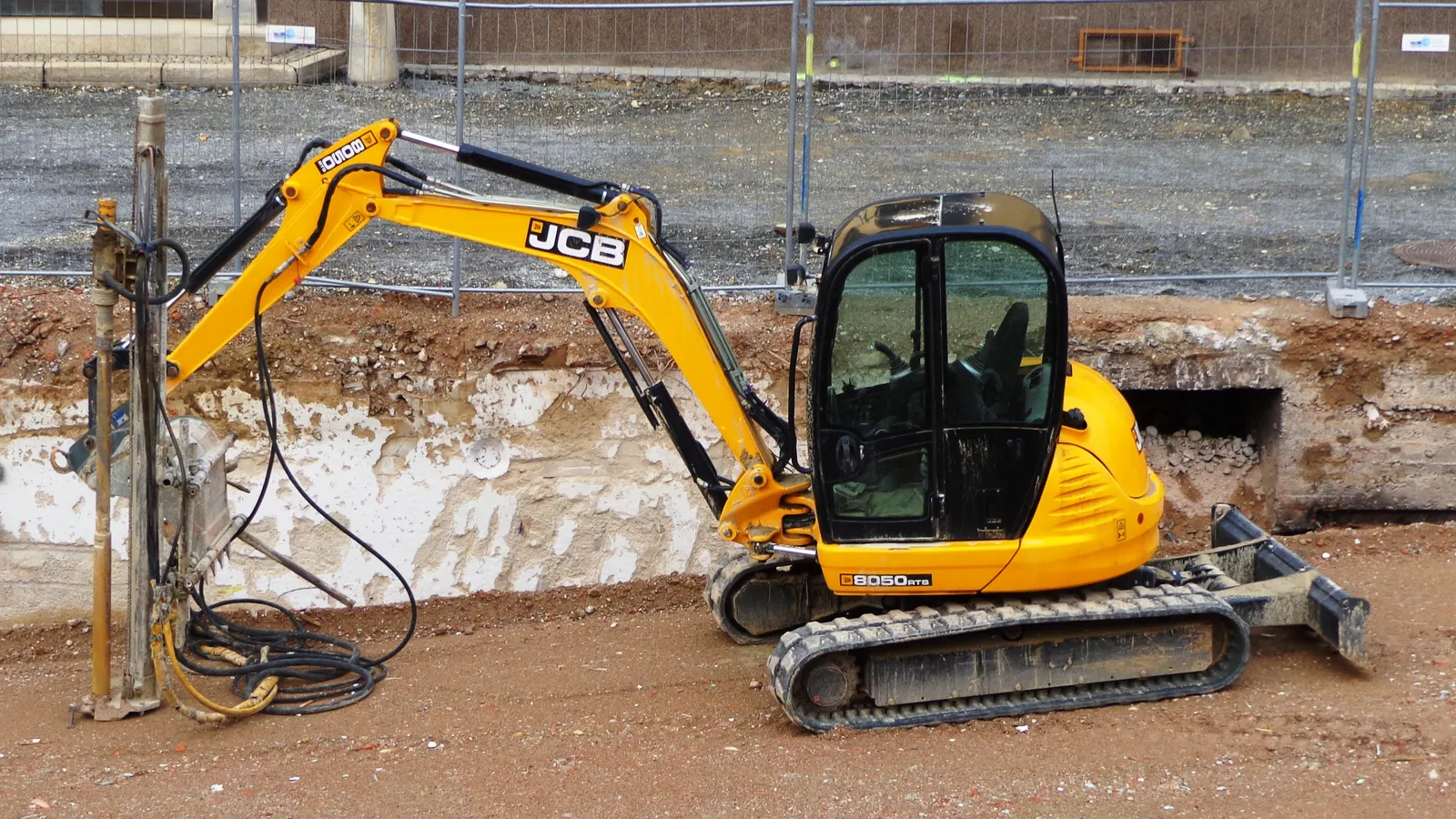
Mini excavators (roughly 1 to 6 tonnes) for utility trenches, landscaping, villa plots and work inside buildings. Our mini excavator guide explains the size bands and zero tail swing.
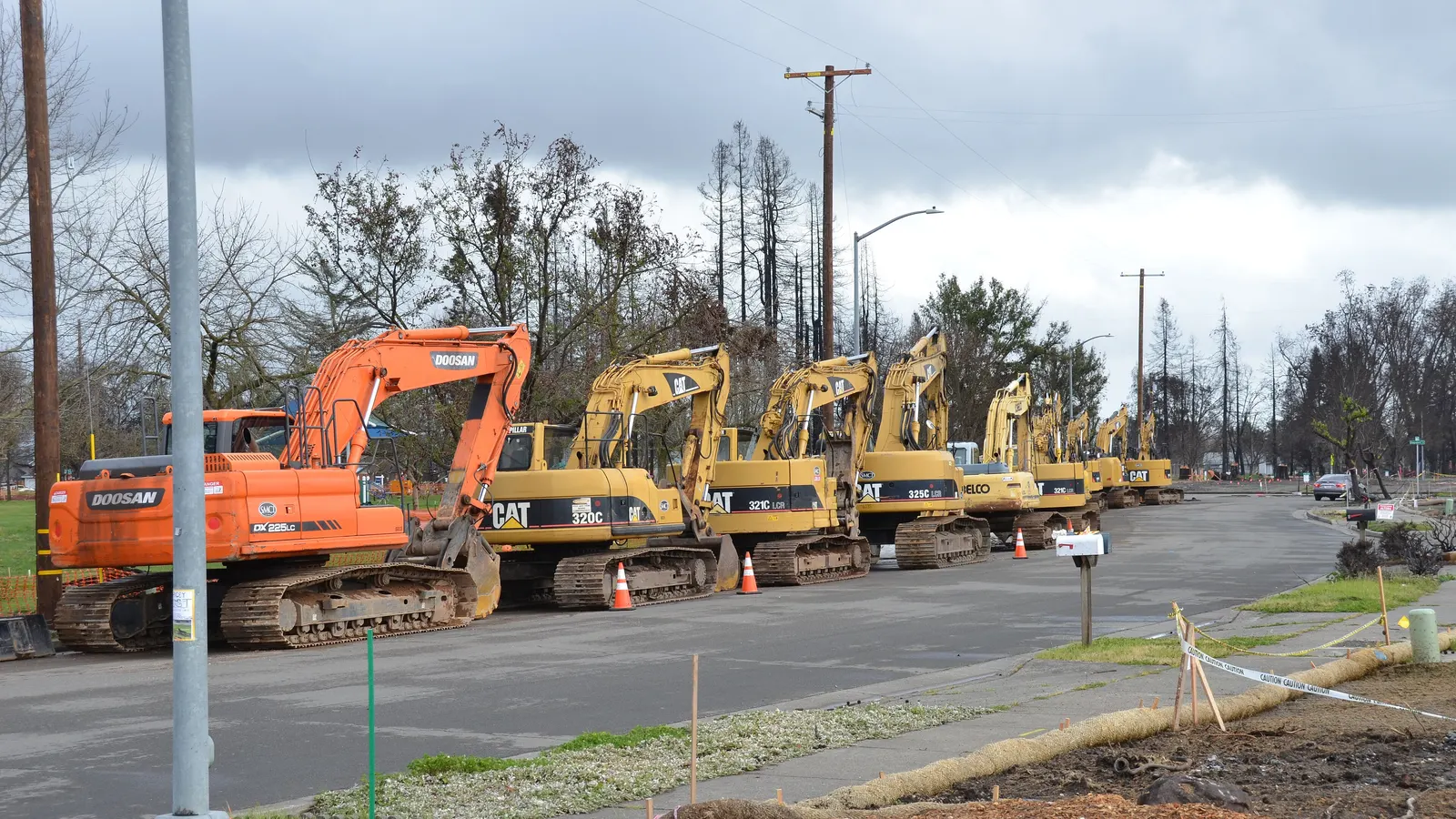
Medium crawler excavators (around 20 to 35 tonnes) for general earthworks, basements and truck loading.
Large excavators (over 35 tonnes) for mass excavation and heavy rock.
Tell the hire company the material, dig depth, reach, the height of the trucks to be loaded, and any access limits (gate width, overhead lines, slab loading). A good supplier will propose a model; ask why.
Attachments on hire
Do not assume any attachment beyond a digging bucket is included. List everything you need on the order:
Extra buckets: narrow trenching, ditching or grading, and heavy duty buckets for abrasive ground.
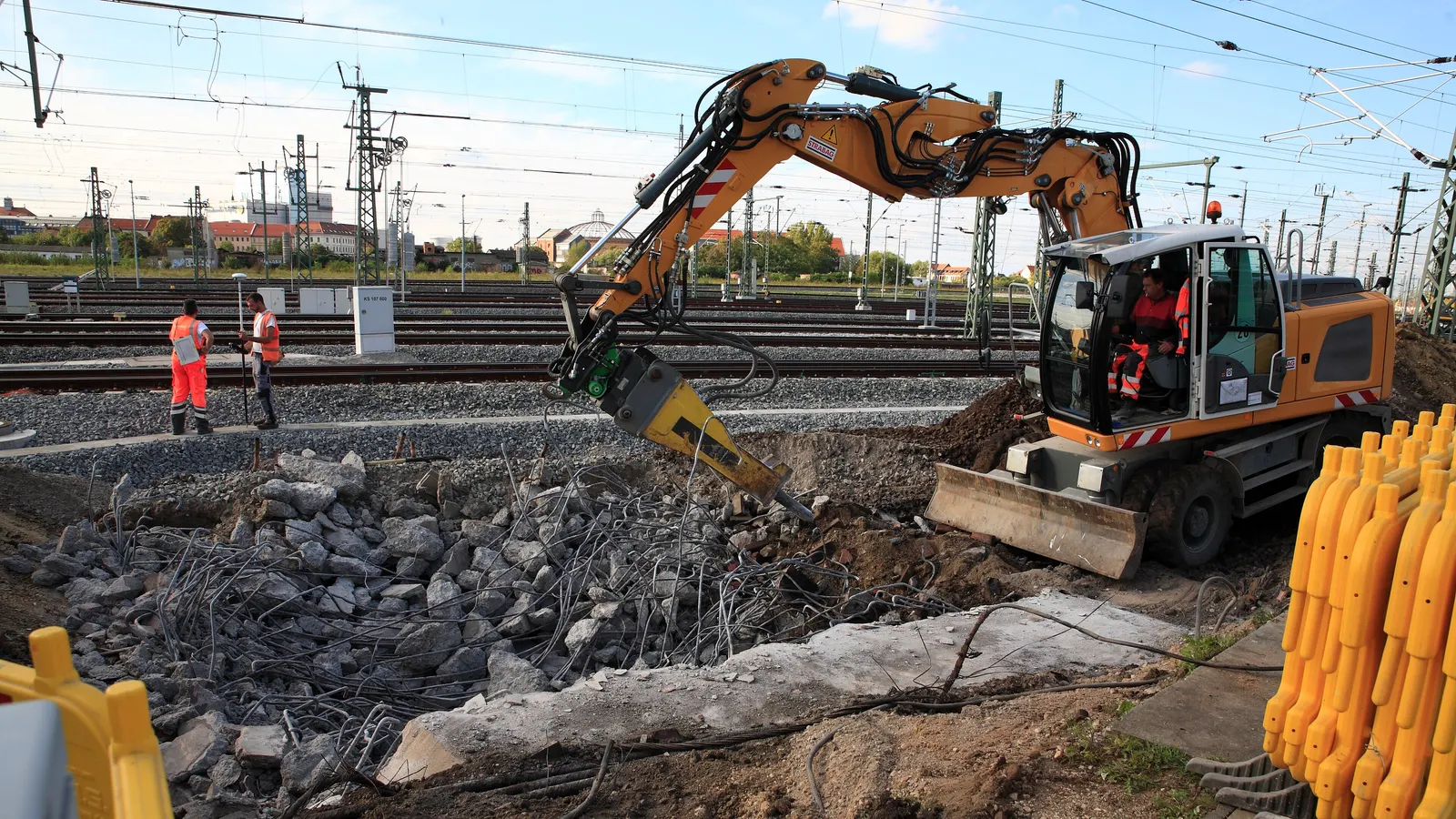
A hydraulic breaker for rock or concrete, which needs breaker piping on the excavator and the circuit set to the breaker's flow and pressure. Hire it with the machine from one supplier where possible so one party is responsible for the match.
A quick coupler, and confirmation of its type and locking system.
Grabs, thumbs and augers.
Breakers and couplers carry their own risks and wear. Our guide to excavator attachments covers breaker sizing and quick coupler safety, including the UK Health and Safety Executive's warning about couplers used without their retaining pin. Ask who supplies breaker tools (chisels and moils) and how tool wear and breakage are charged.
Transport and mobilisation
Mobilisation and demobilisation can be a large part of a short hire, so get them priced separately.
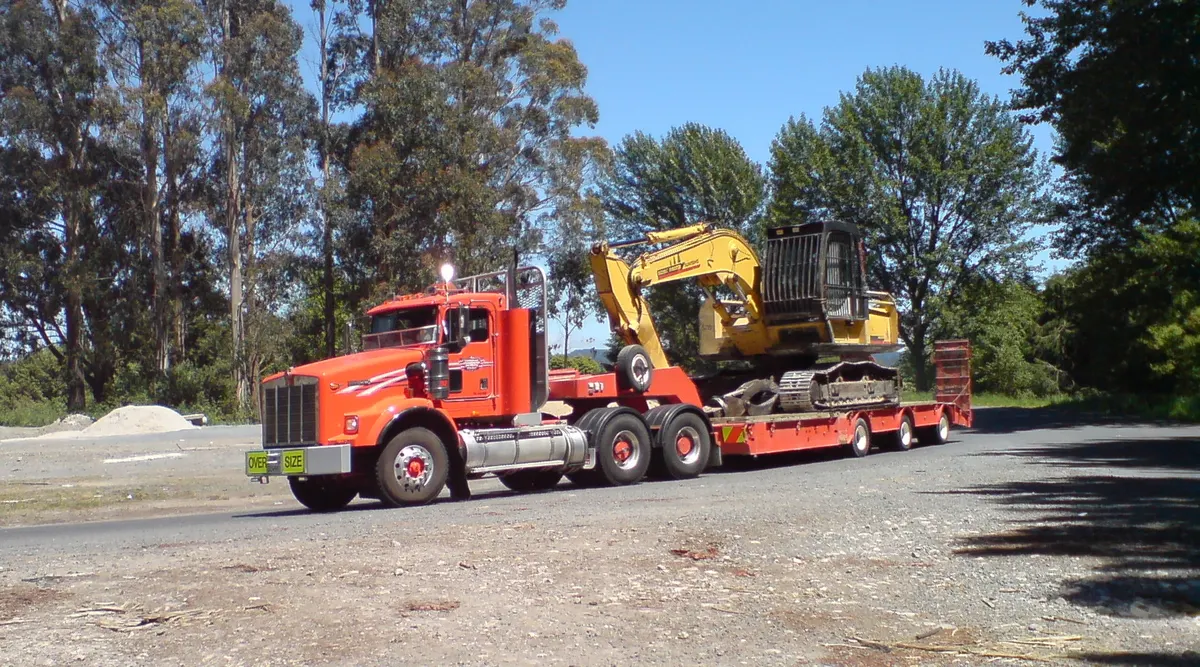
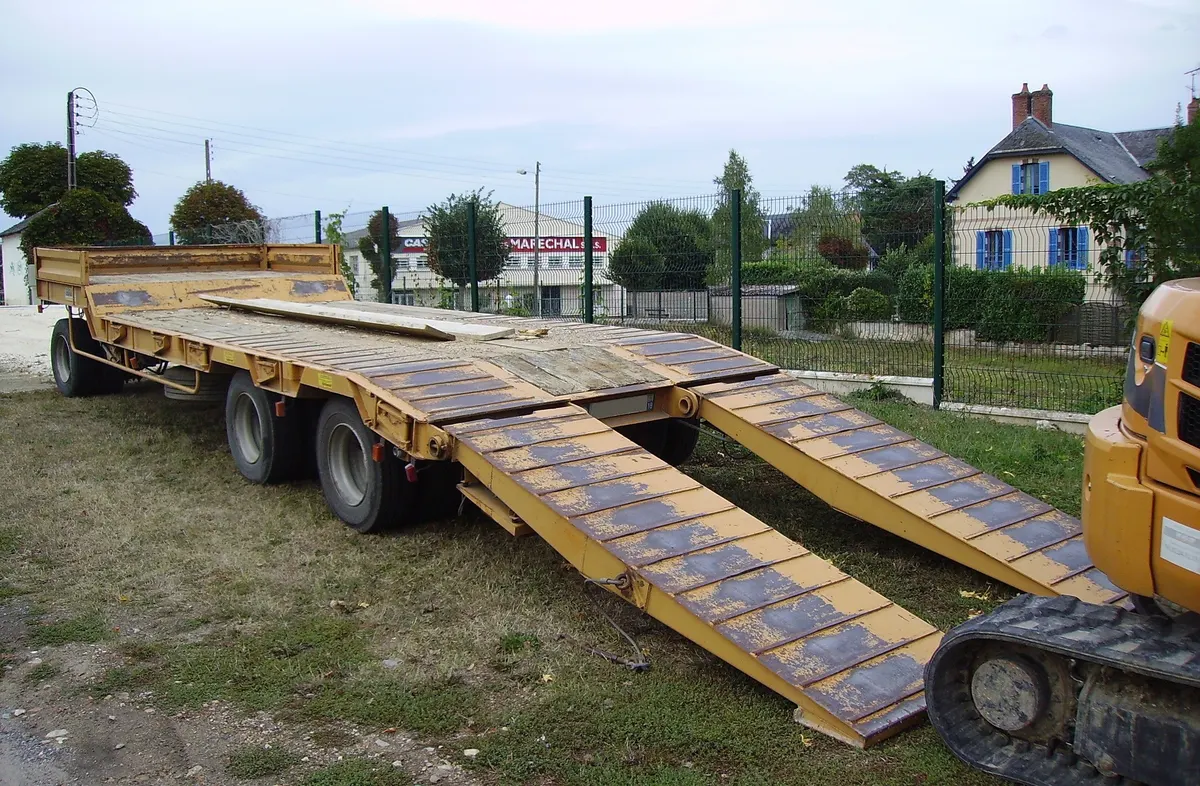
Most crawler excavators move on a low-bed trailer. Ask whether delivery and collection are included, and whether there is a charge for waiting time or for moving the machine between your sites.
Confirm the transport height and width with the attachment fitted, and any road permits or escort the load needs; that is the transport company's responsibility, but delays land on your programme.
Prepare a firm, level unloading area and a clear route on site, away from trench edges and overhead lines.
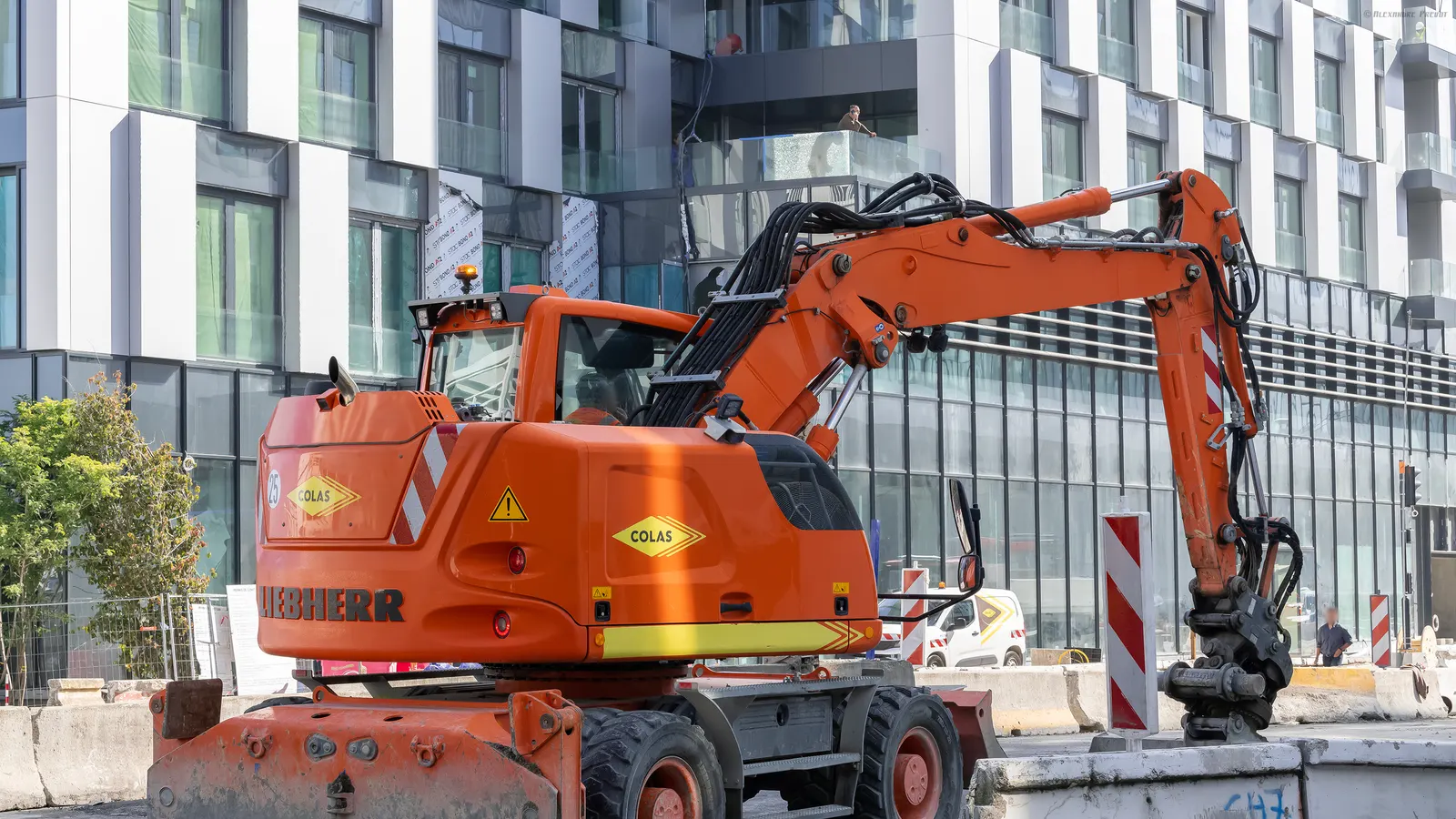
For wheeled excavators and backhoe loaders that drive themselves, confirm they are registered and insured for the roads they will use.
A hired machine joins your site, so it must meet your safety system and your client's. Ask for these before it is delivered:
Machine identity: make, model, serial number and year, matching the identification plate.
Service record: date and hours of the last service and the next one due, and who does in-hire servicing.
Third-party inspection certificate if the excavator will lift loads such as pipes or chambers. In Sharjah, OSHJ-CoP-10 requires lifting equipment to be thoroughly examined and tested by a third party before first use and at least every 12 months for goods, and lifting accessories at least every six months, with records kept. Ask your client whether they want a current certificate for every machine on site, lifting or not.
Lift chart and rated capacities for the arm, counterweight and attachment fitted.
Operator certificates for wet hire. OSHJ-CoP-10 lists operator, signaller and slinger certificates among the records to keep, and requires that only competent operators use lifting equipment.
Insurance certificates from the hire company (see below).
Attachment documents: quick coupler type and inspection record, breaker model and settings.
Then do your own pre-start check on arrival and every shift, as the maker's manual requires. Sharjah's code calls for a pre-operational check of lifting equipment in line with the manufacturer's manual and periodic inspections recorded in an inspection register.
Handover, condition report and off-hire
Most hire disputes are about damage that nobody recorded at delivery. Protect yourself at both ends.
On delivery, walk round the machine with the driver or the hire company's representative. Photograph all four sides, the cab, glass, tracks or tyres, bucket teeth, and any existing dents, cracks or leaks. Note the hour meter and fuel level.
Check it works: start up, travel, slew, run each function and the auxiliary circuit, and test the air conditioning, lights, horn, travel alarm and seat belt.
Sign a delivery note that lists the attachments and their condition.
During hire, keep daily check sheets and hours, report faults in writing, and stop the machine rather than run it with a fault.
At off-hire, give written notice as the contract requires, repeat the photos and hour reading, and get an off-hire number or signed collection note. Check whether the contract stops charges at your off-hire notice or only at collection.
Damage, loss and insurance
Read the damage clauses carefully, especially on dry hire. Points to settle before signing:
Who carries the risk of damage, theft and loss while the machine is on your site, and from what moment (delivery, or unloading).
Insurance: whether the hire company's policy covers the machine on your site and who pays the excess. In the UK, for example, the Construction Plant-hire Association notes that hirers either carry their own "hired-in plant" insurance or pay a damage waiver to the hire company, and that a customer may still be liable for the excess under a waiver. Gulf contracts use similar ideas under different names, so ask which applies.
Third-party liability: who covers injury or property damage caused by the machine, and whether the operator (on wet hire) is the hire company's employee for insurance purposes.
Wear and tear versus damage: how bucket teeth, cutting edges, breaker tools, tracks and tyres are charged, and how "fair wear and tear" is judged.
Breakdown: response time, whether a replacement machine is provided, and whether hire is suspended while the machine is down.
Misuse: what counts as misuse (for example, running a breaker on an unsuitable machine, lifting without a certificate) and who pays.
Gulf conditions that affect a hire
Heat: check the cab air conditioning works before accepting the machine, and agree how work in peak summer hours will be scheduled under your site's heat stress controls.
Dust: agree who changes air filters and how often on dusty sites, and make sure filter changes are recorded.
Sand and rock: undercarriage, teeth and breaker tool wear is faster; agree how wear parts are charged.
Long hires: agree service intervals and where servicing is done, so the machine is not taken off site during critical work.
Saudi Arabia: hiring locally or bringing leased machines in
For projects in Saudi Arabia, check equipment rental suppliers in Saudi Arabia first. If a suitable machine is not available locally, leased heavy equipment can enter under temporary (provisional) admission for government or investment projects, against a guarantee instead of customs duty; our main excavator guide sets out the conditions. Machinery placed on the Saudi market must also meet SASO's machinery safety regulation through the SABER platform, which is the supplier's job but worth confirming before a machine is shipped in for your project.
Rent, lease or buy?
Option
Makes sense when
Watch for
Short-term rental
Work is short, uncertain or seasonal; you need a size you rarely use; you want the hire company to carry maintenance and breakdown risk
Mobilisation costs on short hires; availability in busy periods
Long-term rental or lease
The machine is needed for a whole project but not beyond it
Service and breakdown terms over months; end-of-hire condition claims
Buy
You can keep the machine busy most of the year, need a specific spec or attachments, or hire availability is unreliable on your sites
Capital, operators, servicing, parts, resale
A simple test: estimate the hours a year you would use the machine and compare a year of hire for those hours (including transport, fuel, operator and damage terms) with ownership cost (depreciation, finance, servicing, insurance, operator and transport). Do the sums with real quotes, not list prices. Longer-term options are also listed under heavy equipment leasing.
Telematics on hired machines
If the hired machine has the maker's telematics, such as Volvo's CareTrack on Volvo CE machines and Hi MATE on Hyundai excavators, which report hours, location, fuel use and faults, ask whether you can see that data during the hire. It settles disputes about hours and idle time and helps you plan servicing on long hires.
Excavator hire request checklist
Job: material, dig depth, reach, truck loading height, access limits, start date and expected duration.
Machine: weight class, crawler or wheeled, tail swing type, arm length.
Wet or dry hire; operator certificates if wet.
Attachments: buckets, breaker with piping, quick coupler type, grab or auger.
Inclusions: fuel, servicing, breakdown response, transport both ways, working hours per day or month, overtime.
Documents: third-party inspection certificate, lift chart, service record, insurance certificates.
Damage, loss, insurance and excess terms; wear parts charging.
What is the difference between wet hire and dry hire?
Wet hire means the excavator comes with the hire company's operator, and some suppliers also include fuel. Dry hire means you get the machine only and provide the operator, fuel and daily care, and you usually carry more of the damage and loss risk. Because suppliers use the terms differently, write down exactly what is included in the hire agreement.
What documents should a hired excavator come with?
Ask for the machine's identity details and service record, a current third-party inspection certificate if it will lift loads, the lift chart, the operator's certificates on wet hire, the hire company's insurance certificates, and records for any quick coupler or breaker. In Sharjah, OSHJ-CoP-10 requires third-party examination of lifting equipment before first use and at least every 12 months.
Who pays if a hired excavator is damaged?
It depends on the contract. On dry hire the hirer often carries the risk of damage and loss while the machine is on site, either through their own insurance or by paying a damage waiver, and may still owe an excess. On wet hire the hire company usually carries more of the risk. Record the machine's condition with photos at delivery and off-hire to avoid disputes.
Can I hire a mini excavator with attachments?
Yes, ask for them on the order: buckets of different widths, augers and small breakers are the usual extras. List each attachment on the order, confirm the quick coupler type and that the machine's auxiliary hydraulics suit any breaker or auger, and check how wear on teeth and breaker tools is charged.
Is it cheaper to rent or buy an excavator?
Renting is usually cheaper for short, uncertain or occasional work, because you avoid capital cost, servicing and idle time. Buying wins when you can keep the machine busy most of the year or need a specific specification. Compare a year of hire for your expected hours, including transport, fuel and operator, with the full cost of ownership using real quotes.
When do hire charges stop?
It depends on the contract: some stop charges when you give off-hire notice and receive an off-hire number, others only when the machine is collected. Check which applies, the notice period, whether weekends count, and how part weeks or months are charged. Record the hour meter and take photos at off-hire.
Wheeled or crawler excavator: road speed against walking pace, outriggers and lift charts, ground pressure and shoe width on Gulf sand, undercarriage and tyre wear, urban work and what to ask suppliers.
How to choose a mini excavator: what makers mean by mini and micro, size bands and jobs, zero tail swing or conventional, blade and boom swing, attachments, transport, electric models and digging rules.
How to choose excavator attachments: bucket types and wear parts, sizing a hydraulic breaker to the carrier, flow and pressure settings, breaker features, quick coupler interfaces and safety, and an RFQ list.