Car and Vehicle Fire Extinguishers in the UAE and Saudi Arabia: Rules and Sizes
What UAE and Saudi authorities say about fire extinguishers in cars, the written rules for school buses, sizes and types for cars, vans, trucks and forklifts, where to mount them and how heat affects them.
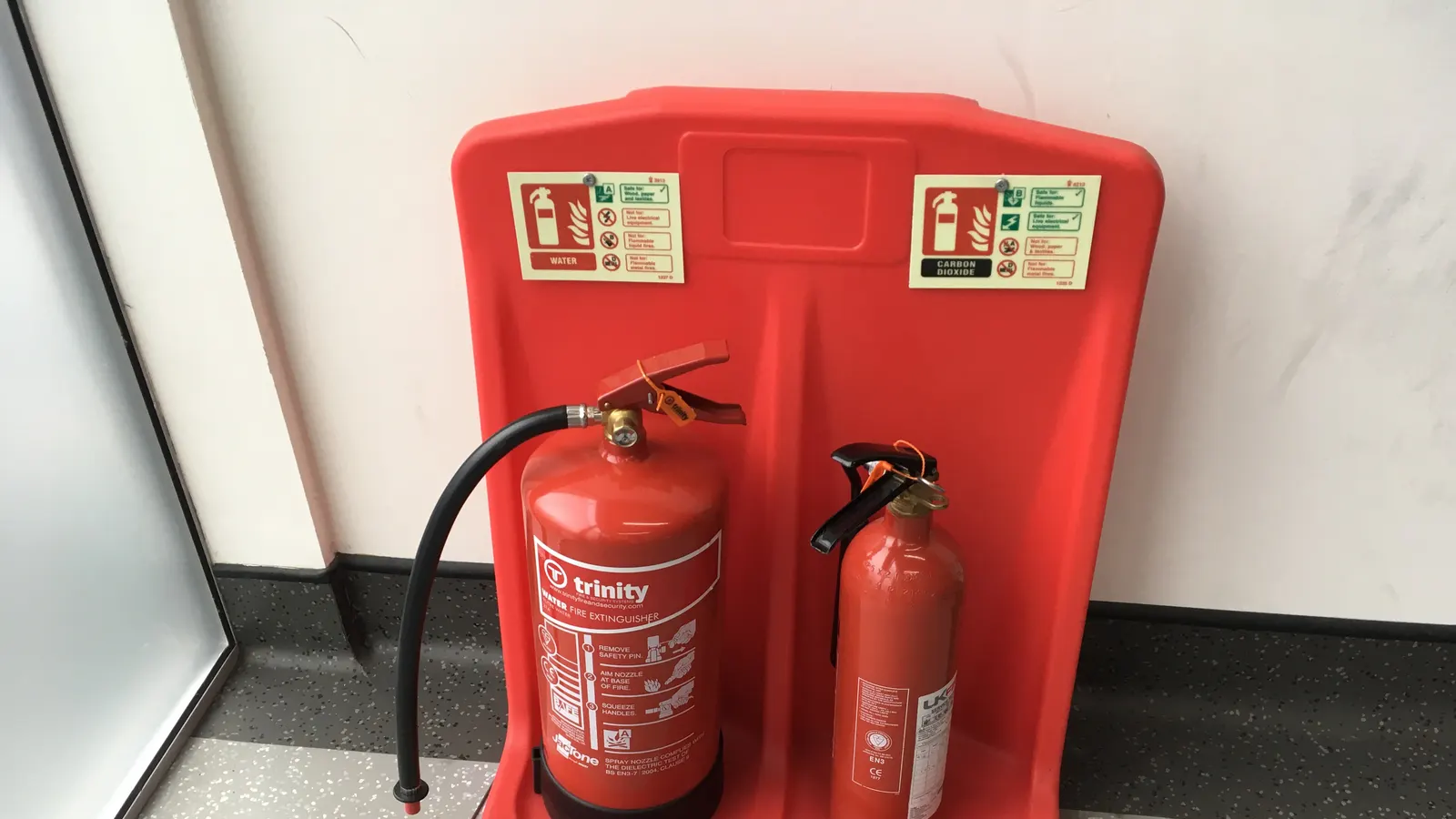
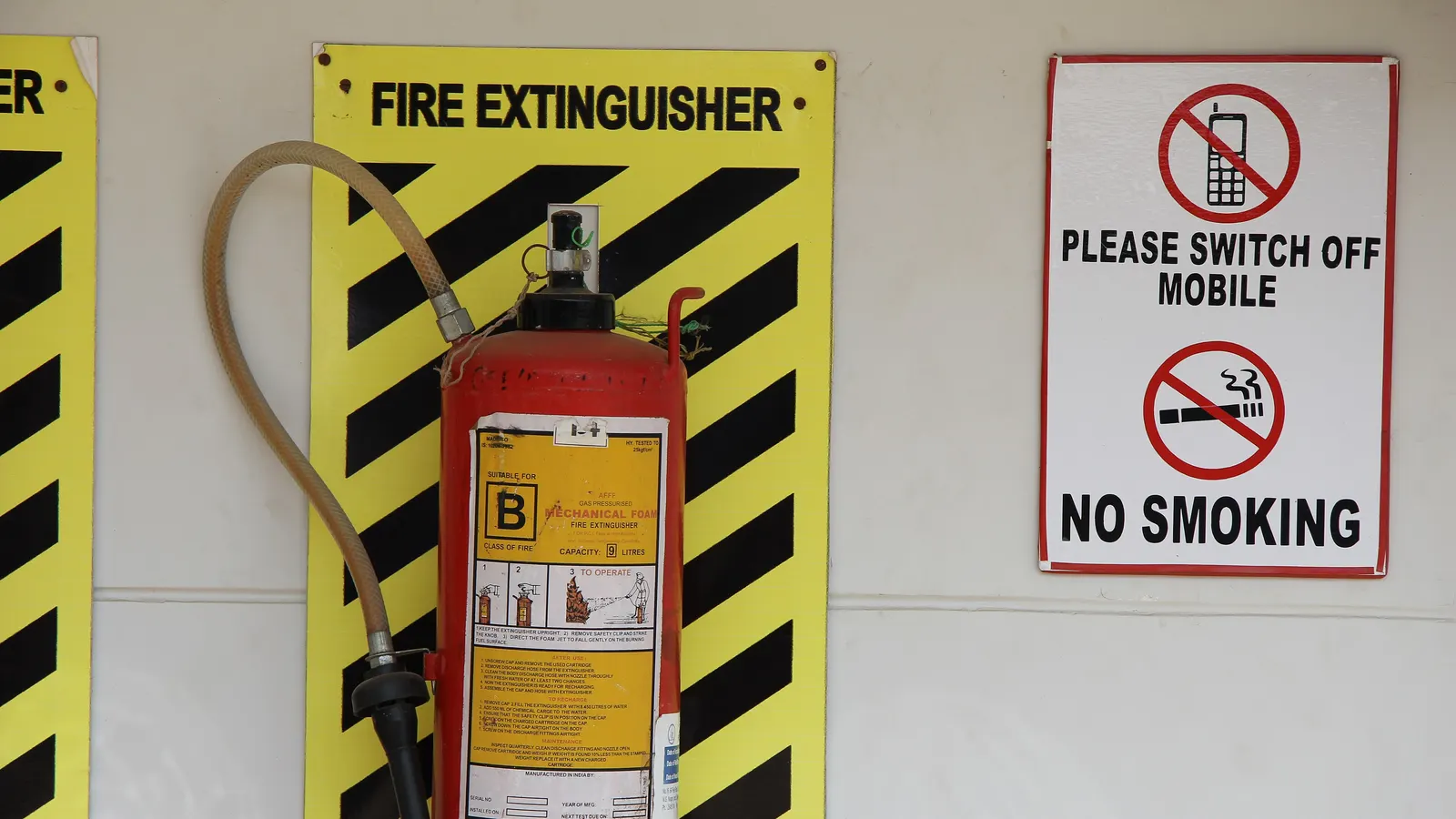
For a passenger car in the UAE or Saudi Arabia, a 1 to 2 kg dry powder extinguisher, fixed in a bracket within reach of the driver, is what UAE authorities have described as generally sufficient. ListGCC could not find a published rule that makes one compulsory in every private car in either country, but traffic and civil defence authorities in both urge drivers to carry one, and buses carry specific legal requirements. Choose a vehicle-rated unit from approved fire extinguishers and treat it like any other safety device.
This guide is for fleet managers, transport and logistics companies, school transport operators, HSE officers and drivers. It sets out what the UAE and Saudi authorities have actually published, the rules for buses, sizes and types for cars, vans and trucks, mounting, and heat in parked cabins. For building extinguishers, codes and approvals, see the main fire extinguisher guide for the UAE and Saudi Arabia. ListGCC has not tested any of the products named.
Is a fire extinguisher mandatory in cars in the UAE?
For private cars, we found official advice rather than a published legal requirement. The documents we read say this:
Abu Dhabi Police, July 2023. Launching its "Safe Summer" campaign, Abu Dhabi Police urged motorists to keep a fire extinguisher and a first aid bag in their vehicles, according to Gulf News. Its officials said most vehicle fires are caused by drivers neglecting safety and prevention measures.
Ministry of Interior and Abu Dhabi Civil Defence, July 2025. Reported by the International Fire and Safety Journal, the authorities said every vehicle should be equipped with a suitable fire extinguisher as a preventative measure, that a 1 to 2 kg unit is generally sufficient for standard passenger vehicles, and that dry powder units are the most widely used. The same report quotes the Traffic Department as saying 43% of vehicle fires in 2024 were directly linked to extreme heat.
Dubai vehicle inspection. Executive Council Resolution No. (1) of 2026, which regulates technical inspection of vehicles in Dubai, does not mention fire extinguishers in its text. Inspection checklists can still change, so ask the testing centre before your test.
Company fleets are a different matter: your HSE policy, insurer or client site rules may require an extinguisher in every vehicle, so check them. For buses, the rules are written down, as set out below.
Dubai's school transport bylaw, Administrative Resolution No. (196) of 2015, sets clear requirements:
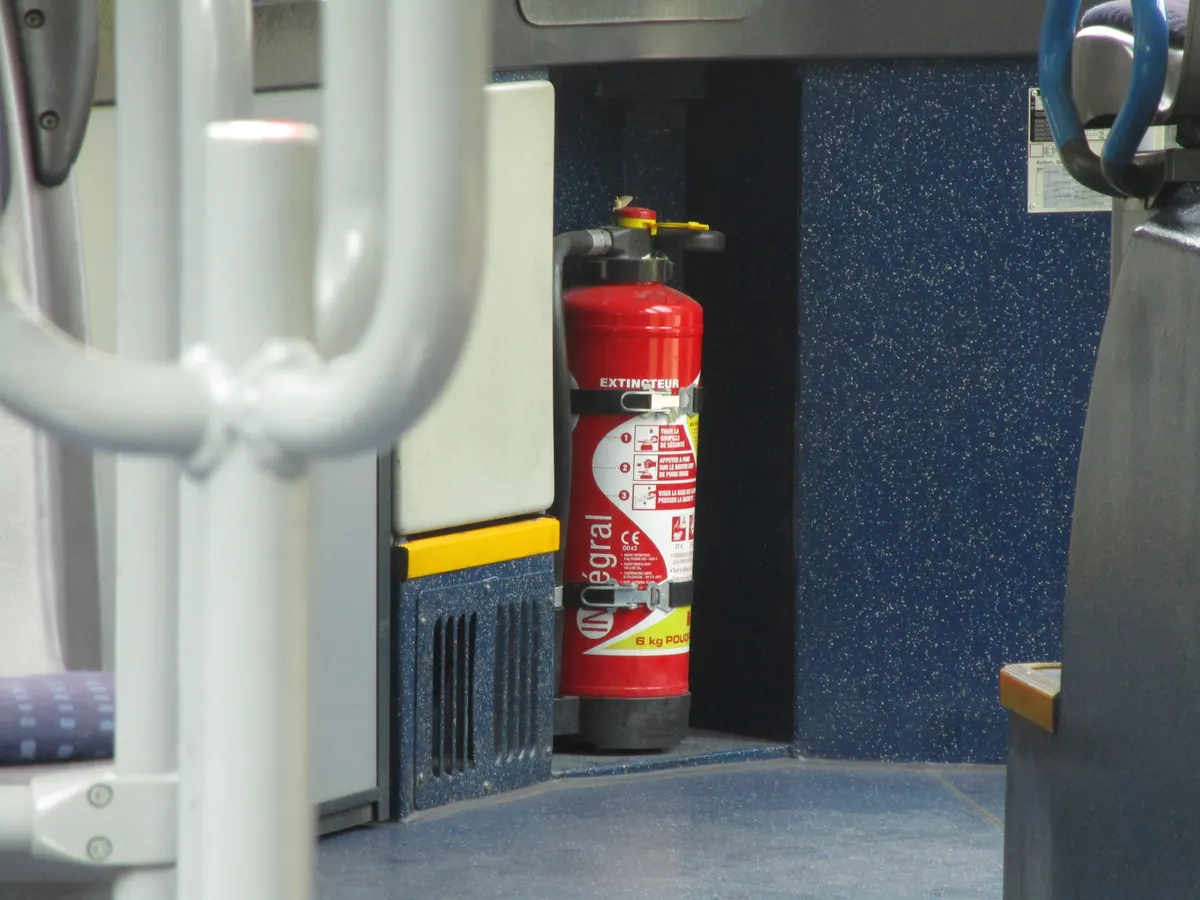
Every school bus must carry an all-purpose six-kilogram fire extinguisher, placed in a dedicated space close to the driver's seat.
Buses seating fewer than 50 passengers need one 6 kg extinguisher; buses seating 50 or more need two.
The location of the extinguisher must be indicated by a sign.
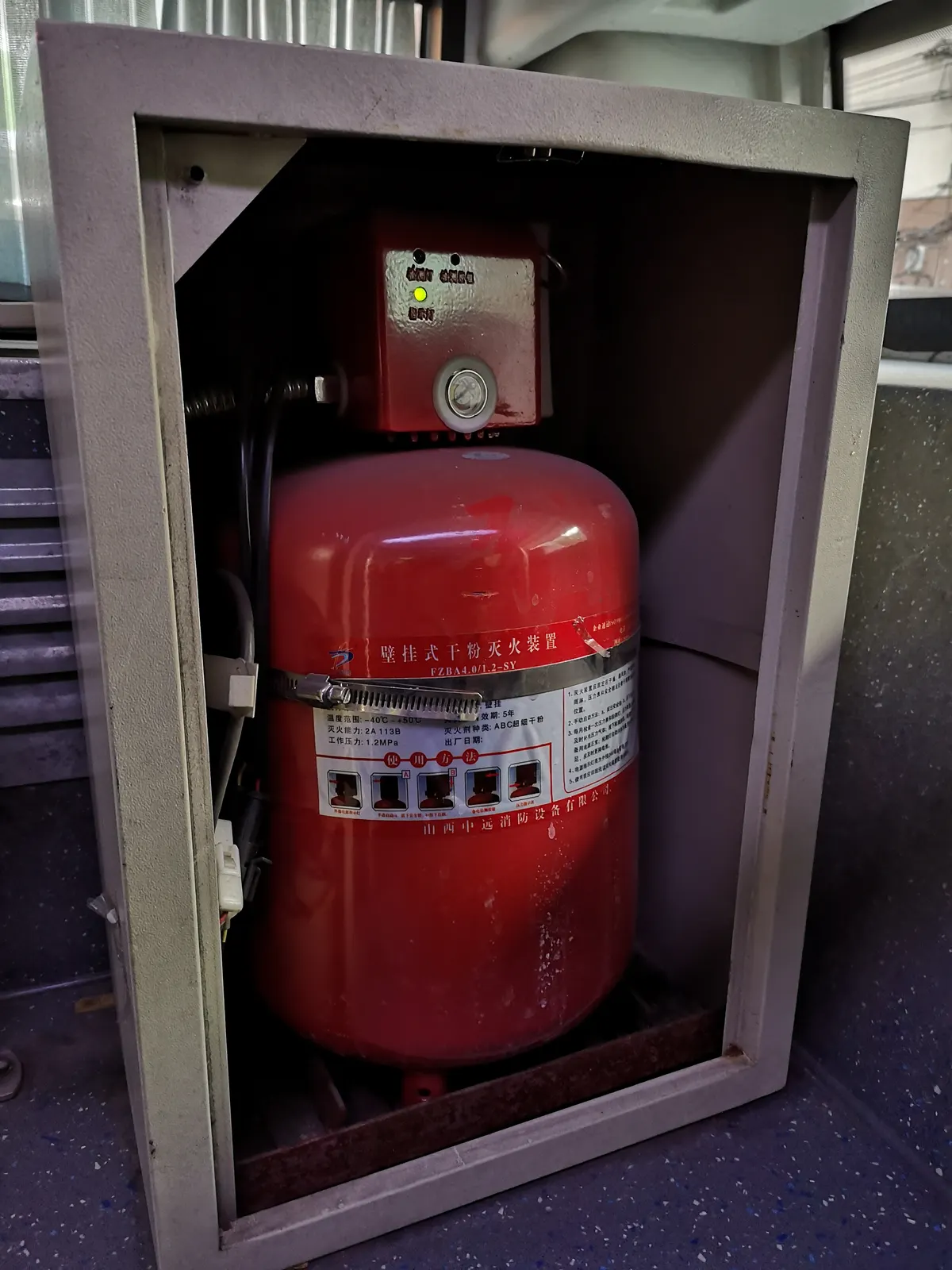
School buses must carry a first aid kit sized to the number of seats, and buses manufactured after 2008 need an electronic fire extinguishing system for the engine compartment.
UAE-wide: automatic engine fire suppression
From 15 April 2025, the Ministry of Industry and Advanced Technology (MoIAT) required school buses across the UAE to be fitted with systems for rapid engine fire detection and automatic extinguishing, according to Khaleej Times. Permits for school buses without a MoIAT-certified system are not issued or renewed, and the standard also covers new and existing buses with a passenger capacity above 22, including the driver. A fixed engine system does not replace the portable extinguisher in the cabin.
What Saudi Arabia says about car fire extinguishers
In Saudi Arabia, too, we found advice rather than a published rule for private cars:
Moroor (General Directorate of Traffic). Moroor has advised drivers to keep a fire extinguisher, a spare tyre with tools, a reflective warning triangle and a first aid kit in their vehicles and to check them before travelling, as reported by KSA Expats in July 2026.
Civil Defence. In July 2022, Saudi Civil Defence warned drivers not to leave power banks, phone batteries, aerosols, cigarette lighters, gas canisters and bottles of hand sanitiser in cars during the summer heat, according to Arab News.
Product rules. Portable extinguishers sold in the Kingdom fall under SASO's Technical Regulation for Fire Control Materials and Equipment, so a car extinguisher bought from a retailer or a fire extinguisher supplier in Saudi Arabia should be covered by a SABER certificate.
For buses, coaches and trucks run under a transport licence, check the operator conditions of the Transport General Authority and your client's site rules, and get the requirement in writing.
Which size and type for cars, vans and trucks?
Choose by rating and agent, as for buildings, then by the space you have to mount it.
Vehicle
Typical choice
Basis
Passenger car, SUV
1 to 2 kg dry powder
UAE authorities' guidance (2025)
Car or van, US-rated unit
Vehicle unit rated 10-B:C, for example Kidde's Pro 10 (2.75 lb agent, strap bracket)
Kidde product page
School bus in Dubai
One or two all-purpose 6 kg units near the driver, plus engine suppression
Administrative Resolution No. (196) of 2015; MoIAT rule
Forklift
On-vehicle unit; California rules list 1-A:20-B:C
San Diego fire policy table
Trucks, plant and mobile equipment
Larger portable units plus fixed suppression for engine bays where the risk justifies it
On the agent: the UAE guidance names dry powder as the most widely used in cars, with CO2 and foam possible depending on the vehicle and its use. Powder is rated for fuel and electrical fires but leaves a residue; CO2 leaves none but is not intended for Class A materials such as seats and trim. The ABC vs CO2 comparison explains the trade-off in more detail.
Several brands sell units built for vehicles. Kidde describes its Pro 10 as designed to combat vehicle fires involving flammable liquids and electrical equipment, to be mounted in cars, trucks and RVs with the strap bracket supplied. Amerex lists vehicle and mobile equipment among the applications for its pre-engineered suppression systems, alongside its hand portables. Ceasefire lists home and car units in its range.
Where to mount an extinguisher in a vehicle
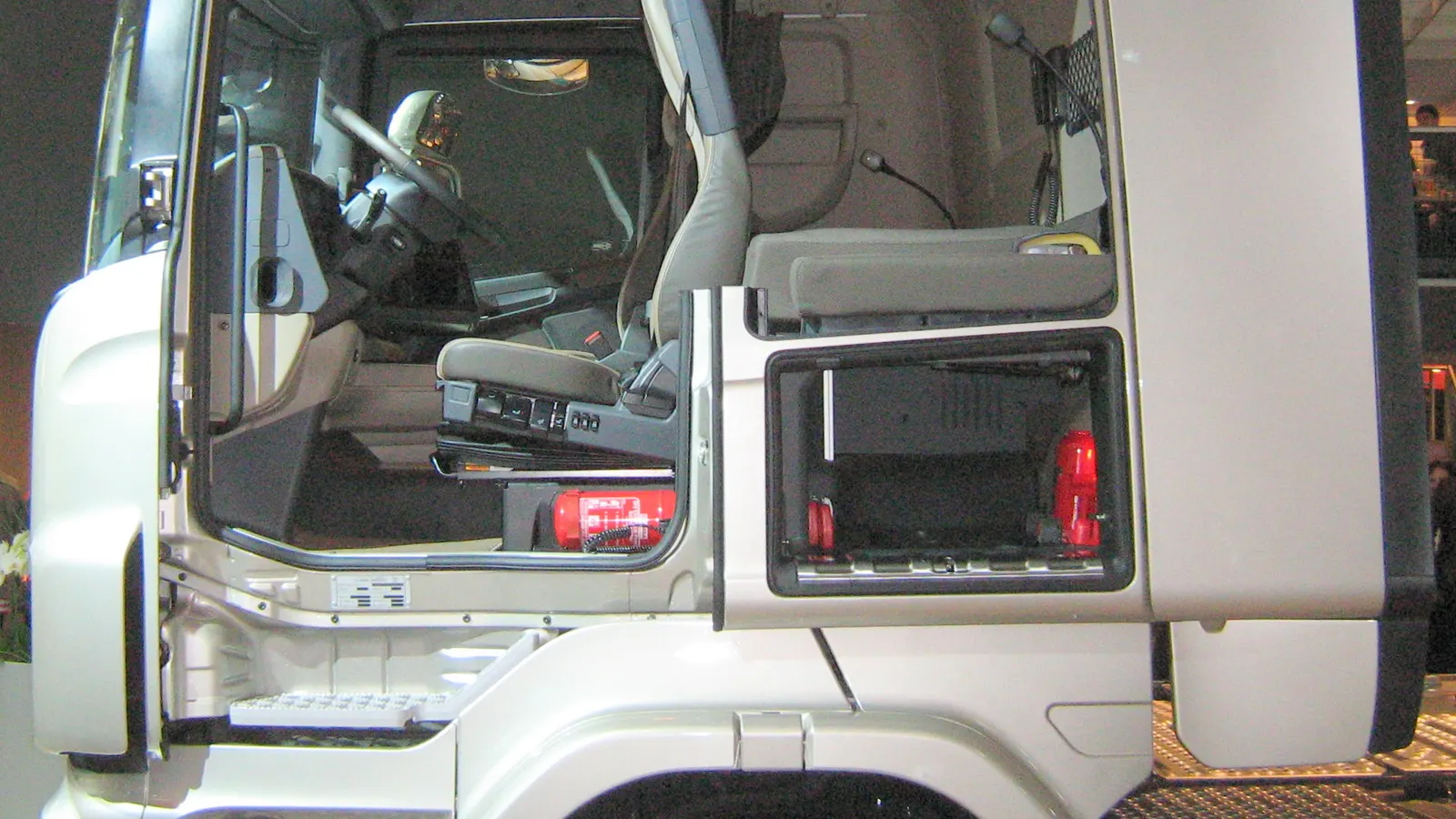
Within reach of the driver. The 2025 UAE guidance suggests storing the unit somewhere accessible such as under the front seat or in the glove compartment, and warns that one kept in the boot may be unreachable in an emergency. Dubai's school bus rule puts it close to the driver's seat.
In a proper bracket. A loose extinguisher can be thrown around in a collision and its valve damaged. Use the vehicle bracket supplied by the manufacturer, fixed to the floor or seat frame.
Signed in buses and large vehicles. Passengers and second drivers need to find it: Dubai requires a sign at the school bus extinguisher location.
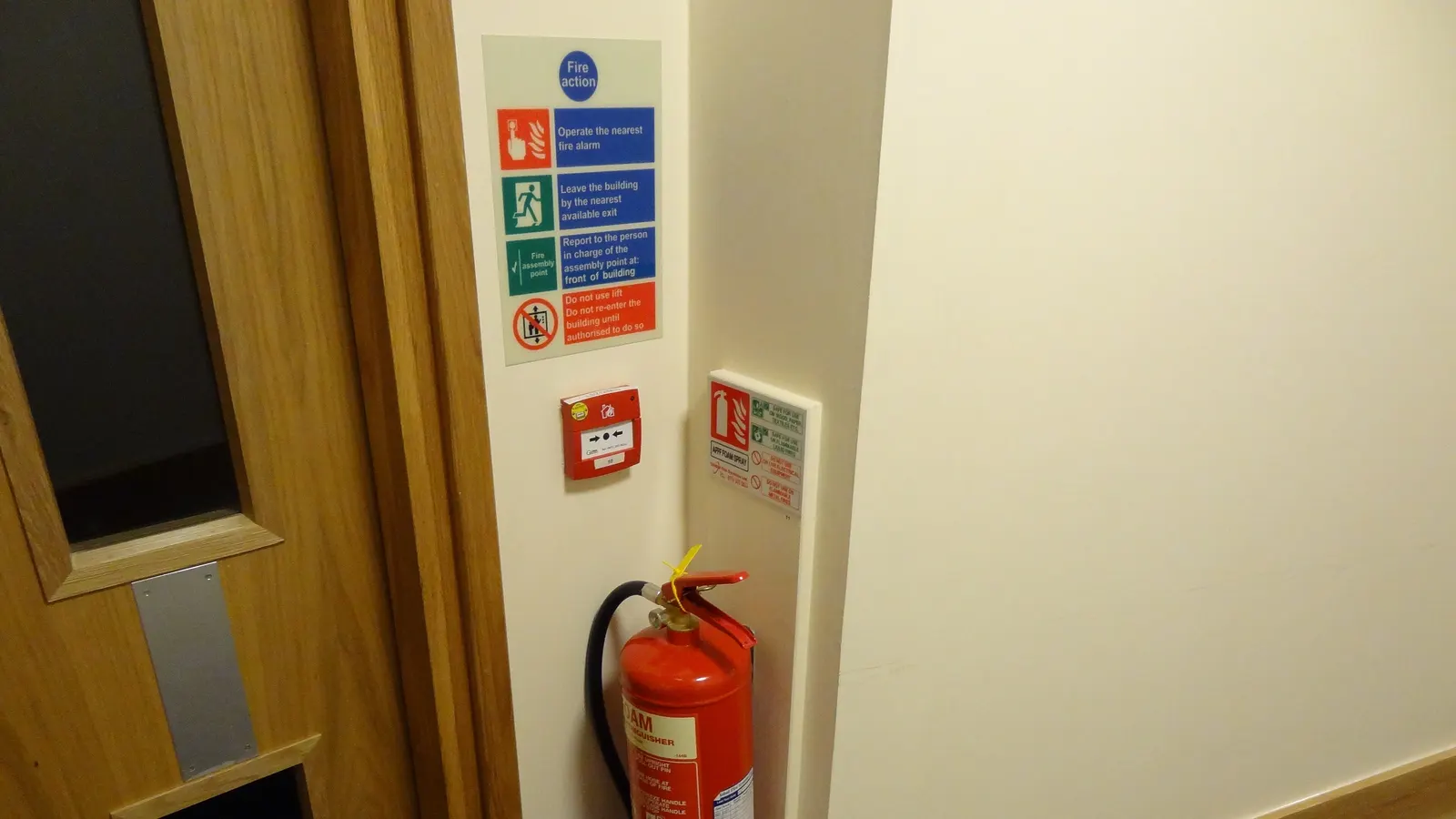
Gauge visible. Mount it so the gauge and the tamper seal can be checked without removing it.
Heat in parked cabins
Heat is the Gulf-specific problem. Every extinguisher has a rated temperature range on its label, and the upper limit varies: Amerex lists 120 °F (about 49 °C) for its ABC and CO2 hand portables, while Gloria rates its foam units to +60 °C. The UAE Traffic Department linked 43% of 2024 vehicle fires to extreme heat, so check the label range against summer cabin conditions before you choose a unit, and prefer a low, shaded mounting point out of direct sun through the glass.
Keep the rest of the cabin safe too. The Civil Defence and police warnings in both countries name items that should not be left in a hot car: lighters, power banks and phone batteries, perfumes and aerosols, gas canisters and alcohol-based hand sanitiser.
Checking and servicing vehicle extinguishers
Vehicle units suffer vibration, dust and heat, so they need the same routine as building units, or a stricter one:
Monthly: check the gauge is in the operable range, the seal and pin are intact, the bracket is tight and the unit is not corroded or damaged. SASO's guide sets building inspections at about 30-day intervals; apply the same to vehicles.
Annually: service by an approved contractor, with a dated tag.
After any use, even a short burst: recharge or replace.
Powder units: ask the service contractor to check the powder for caking and free flow, as SASO's maintenance table requires for cartridge powder units.
Is a fire extinguisher mandatory in cars in the UAE?
ListGCC could not find a published rule making a fire extinguisher compulsory in every private car in the UAE, and Dubai's 2026 vehicle inspection resolution does not mention one. Abu Dhabi Police and the Ministry of Interior have urged drivers to carry one, and Dubai's school transport rules require 6 kg extinguishers on school buses. Fleet operators may require them by company policy.
Is a fire extinguisher required in cars in Saudi Arabia?
Moroor, the traffic directorate, has advised drivers to keep a fire extinguisher in their vehicle along with a spare tyre, warning triangle and first aid kit, according to press reports. ListGCC did not find a published fine for private cars without one. Commercial operators should check their transport licence conditions, and any extinguisher sold in the Kingdom should be covered by SASO conformity on SABER.
What size fire extinguisher is best for a car?
UAE authorities have said a 1 to 2 kg unit is generally sufficient for a standard passenger vehicle, with dry powder the most widely used agent. Larger vehicles need more: Dubai requires one or two 6 kg all-purpose units on school buses depending on seating. Compare ratings rather than weight, and choose a unit made for vehicles with a secure bracket.
Where should I keep the fire extinguisher in my car?
Keep it where the driver can reach it quickly, fixed in the bracket supplied with the unit: under the front seat or another secure point in the cabin. UAE guidance warns that an extinguisher kept in the boot may be unreachable in an emergency. Do not leave it loose, because it can be damaged or become a hazard in a collision.
Is it safe to leave a fire extinguisher in a hot car?
Only if the unit is rated for the temperature. Check the range on the label: some hand portables are rated to about 49 °C and others to 60 °C. Mount it low and out of direct sun through the glass, check the gauge monthly, and replace it if it is damaged or corroded. Remove aerosols, lighters, power banks and sanitiser from the cabin in summer.
Do school buses in the UAE need fire extinguishers?
Yes. In Dubai, Administrative Resolution No. (196) of 2015 requires an all-purpose 6 kg extinguisher near the driver's seat, two on buses seating 50 or more, and a sign at its location. Across the UAE, MoIAT has required certified automatic engine fire detection and suppression on school buses since 15 April 2025.
A buyer's guide to fire extinguishers in the UAE and Saudi Arabia: agents and fire classes, ratings and sizes, placement rules, Civil Defence and SASO approvals, maintenance, Gulf heat and the main brands.
Each fire extinguisher type explained for Gulf buyers: how ABC powder, CO2, foam, water, water mist, wet chemical and Class D units work, what they are rated for, colour codes and where each is wrong.
Where to put fire extinguishers and how to mark them: travel distances, mounting heights in UAE and NFPA guidance, ISO 7010 F001 signs, brackets, stands and cabinets, SASO rules for cabinets, and Gulf heat.