Oil-Immersed vs Dry-Type Transformers: Which to Specify
When to specify a cast resin dry-type transformer and when an oil-immersed one: fire and indoor rules, cooling at Gulf ambients, SEC loss tables, monitoring, maintenance and cost drivers.
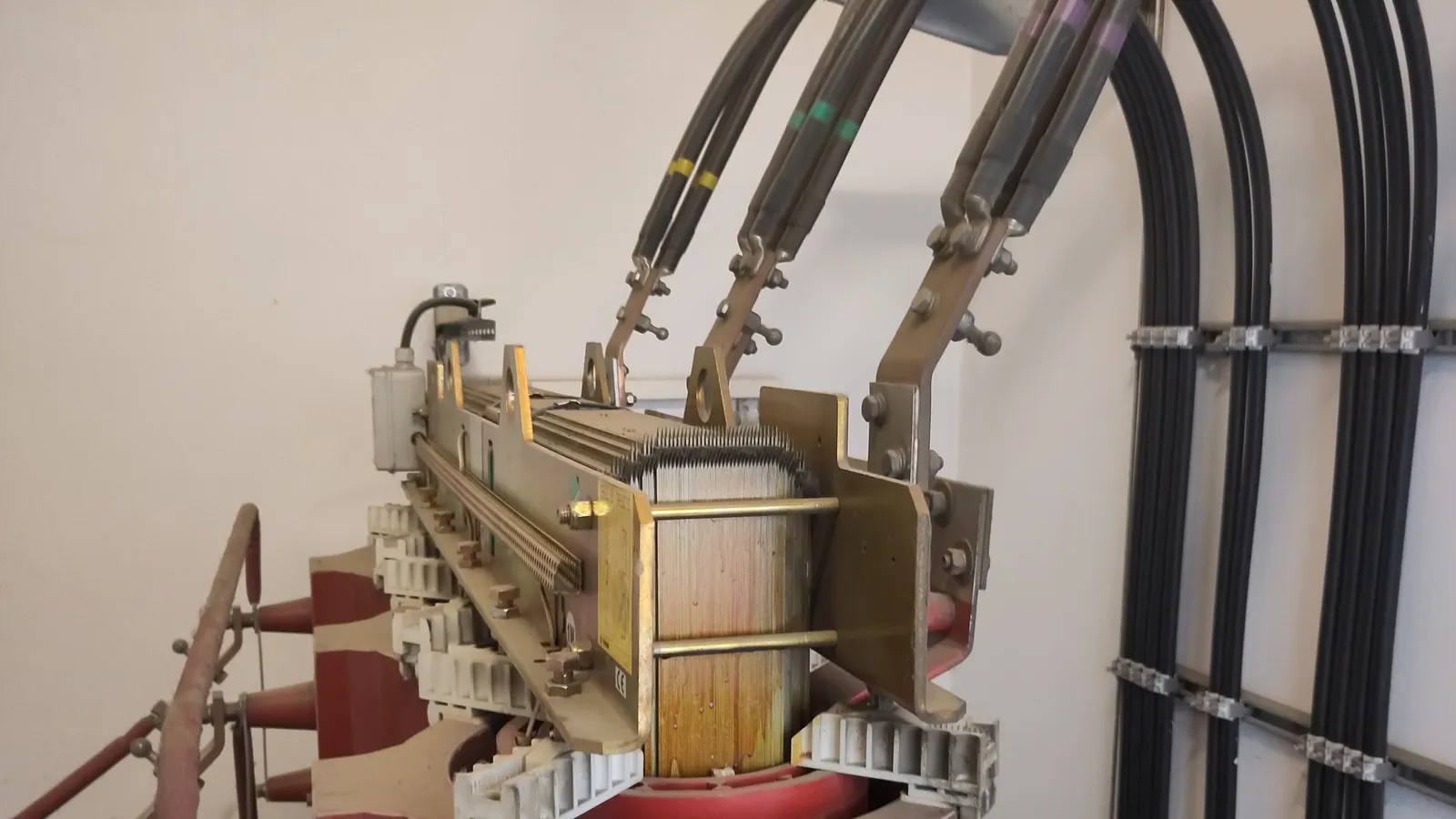
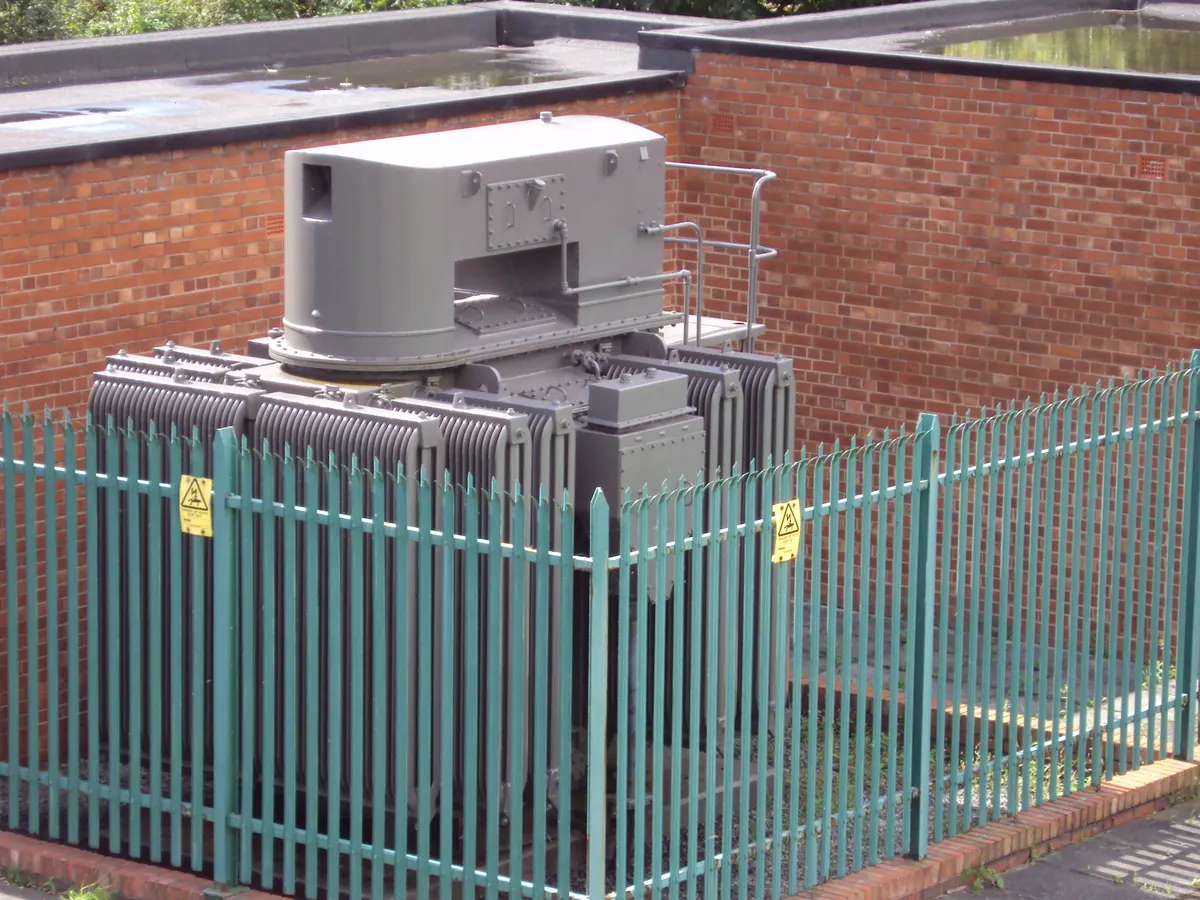
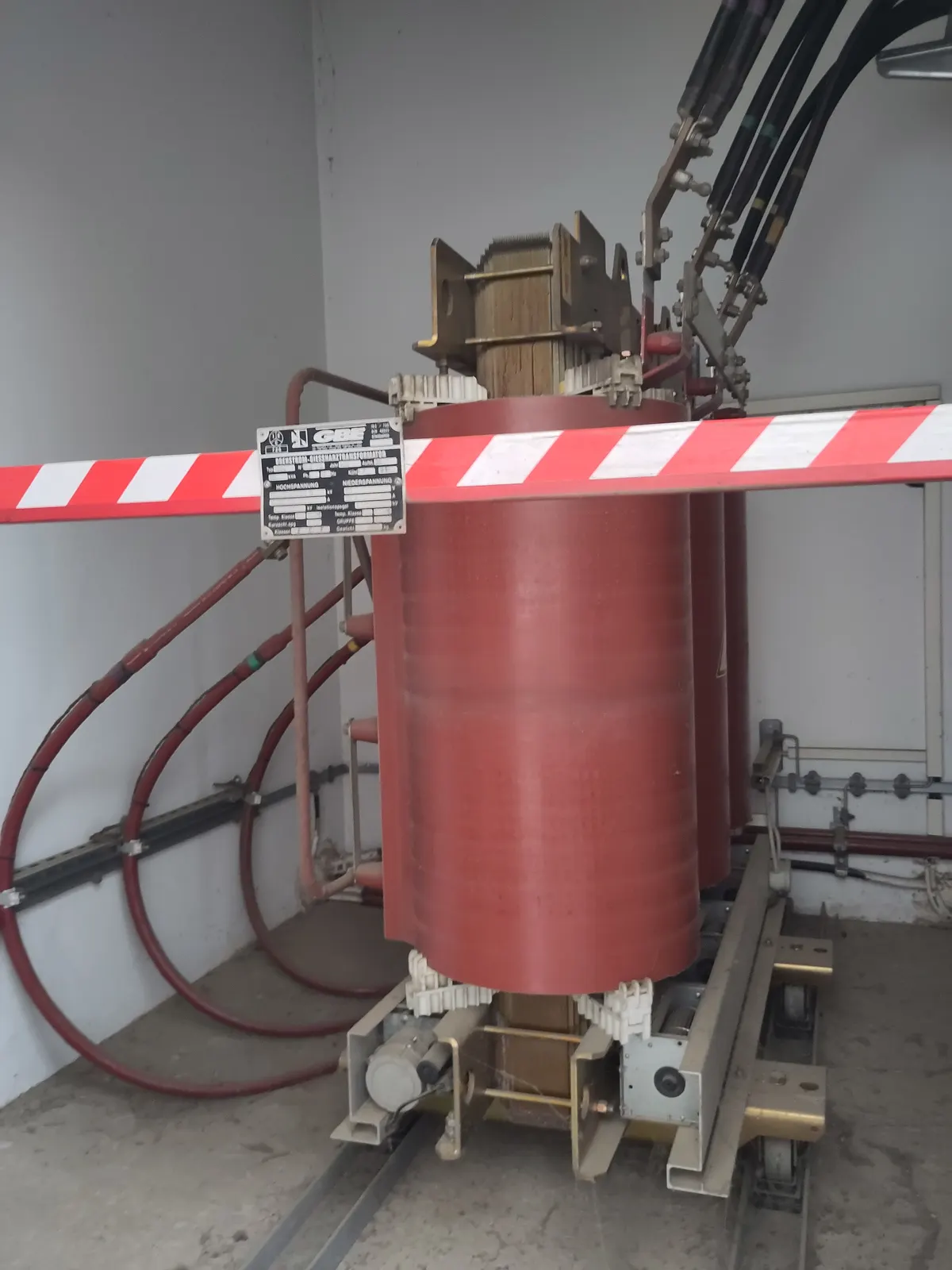
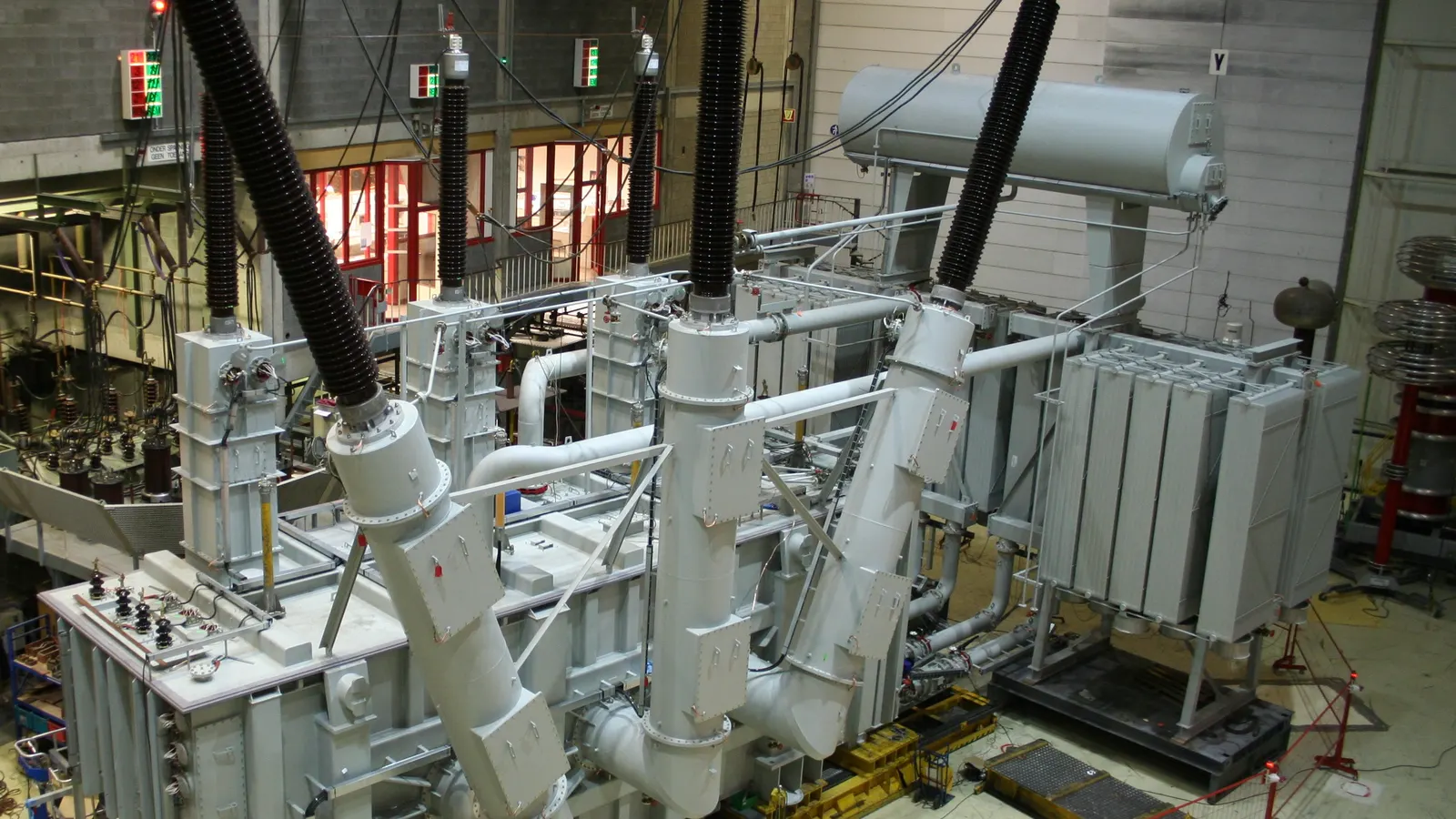
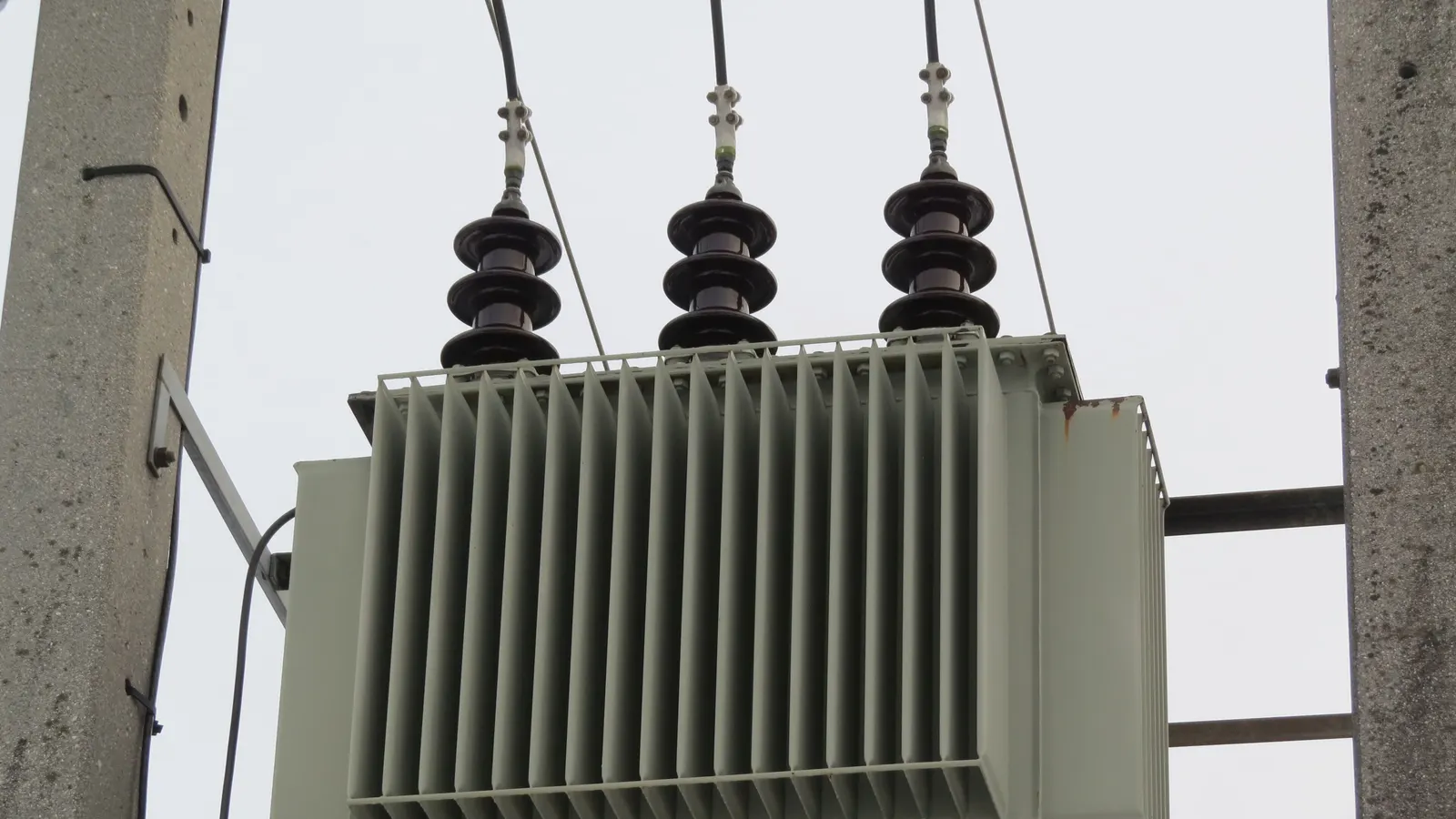
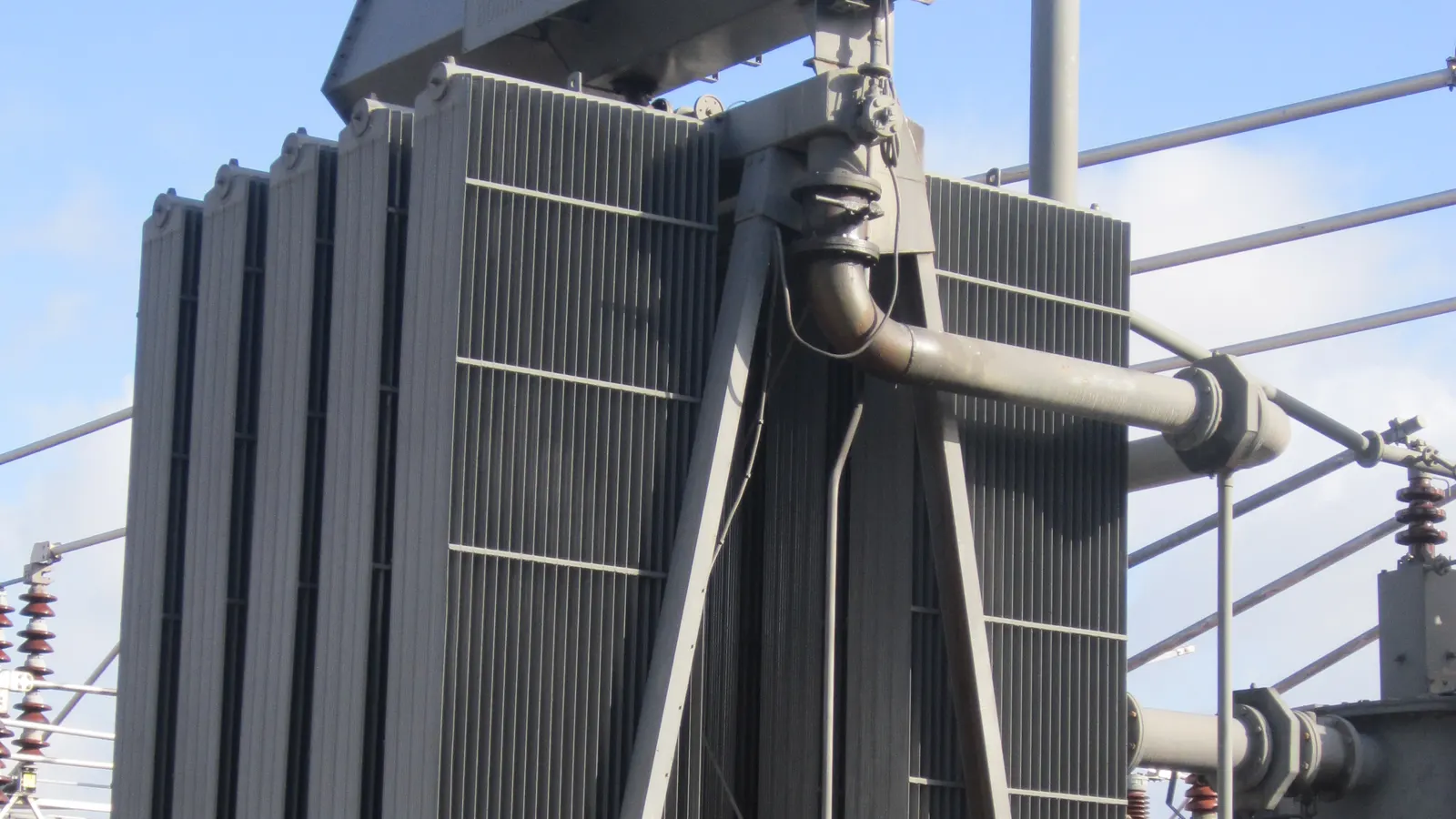
Specify a dry-type cast resin transformer when the substation is inside an occupied building (a hospital, tower, mall or data centre) and an oil fire or leak is the risk to design out. Specify an oil-immersed transformer for outdoor package and pad-mounted substations, utility network units and higher ratings, where its cooling and lower no-load losses pay off. Both are sold by the same distribution transformer suppliers in the UAE, so the choice belongs in the specification, not the bid.
This spoke is for consultants, MEP contractors and facility engineers deciding between the two for a specific room or site. It compares fire behaviour, indoor rules, cooling in Gulf heat, losses, monitoring, maintenance and cost drivers. For transformer types, ratings, standards and makers in general, see our main guide to transformers in the UAE and Saudi Arabia. ListGCC has not tested any transformer; the comparison uses utility specifications, the IEC catalogue and makers' published ranges.
The short comparison
Oil-immersed
Dry-type (cast resin)
Insulation and cooling medium
Mineral oil to IEC 60296, or natural or synthetic ester (IEC 62770, IEC 61099)
Windings cast in epoxy resin; cooled by air
Usual cooling code
ONAN (oil natural, air natural)
AN, with fans (AF) for extra capacity
Fire load
Contains a combustible liquid; esters have a much higher fire point than mineral oil
No liquid; fire behaviour class (for example F1) to IEC 60076-11
Where it is used
Outdoor package and pad-mounted substations, utility networks, large ratings
Indoor substations in occupied buildings
Leak containment
Needed under the tank
Not needed
Routine maintenance
Oil sampling and testing, gaskets, breather or sealed tank checks
Cleaning, connection checks, temperature monitoring
Fire is usually what decides the question. Transformer oil both insulates and cools the windings, and mineral oil has a relatively low flash point compared with the alternatives: typical transformer oils have a flash point above 140 °C. Synthetic and natural esters have fire points over 300 °C, which is why they are used where fire risk is high indoors. Silicone and fluorocarbon liquids are less flammable still but cost more than esters.
Building rules often require an indoor liquid-filled transformer to use a less flammable liquid or to sit in a fire-resistant room. That room, with its fire rating, oil containment and fire detection, is part of the cost of an oil unit indoors. A dry-type transformer can be the cheaper overall answer where it removes the need for a fire-resistant transformer room. Agree the fire strategy with the consultant and the Civil Defence authority for the project before the transformer is selected.
For dry-type units, IEC 60076-11 (the 2018 edition is current) defines climatic (C), environmental (E) and fire behaviour (F) classes. Ask for the classes on the rating plate and the test certificates behind them:
SEC's 52-SDMS-01 requires climatic class C2, environmental class E3 and fire behaviour class F1, each marked on the rating plate.
Schneider Electric certifies its Trihal cast resin range to E4, C4 and F1.
Emirates Transformer & Switchgear describes its cast resin units as zero-oil transformers for hospitals, data centres, high-rises and marine sites.
The two big utilities in this cluster show the split clearly.
Dubai: DEWA has bought cast resin distribution transformers for its own 11/0.4 kV network, 1,000 and 1,500 kVA units fitted with LV smart meters, in two large rounds (1,570 and 990 units).
Saudi Arabia: SEC has separate specifications for each. 51-SDMS-04 covers fluid-immersed, hermetically sealed pole and pad-mounted units for its network. 52-SDMS-01 covers enclosed cast resin units up to 36 kV for indoor installation, and lists SASO-GSO-IEC-60076-11 as the Saudi adoption of the dry-type standard.
Both types lose capacity as the air around them gets hotter, but they cool differently.
Oil-immersed: oil carries heat from the windings to the tank and radiators, and air takes it away (ONAN). SEC limits top oil rise to 45 °C and average winding rise to 50 °C, with a 98 °C hot-spot limit, and asks suppliers to guarantee normal operation at 55 °C ambient. Its emergency loading table, for example, requires a unit to carry 133% load for 240 minutes at 30 °C ambient but only 155 minutes at 40 °C, which shows how fast heat eats into overload margin.
Dry-type: air flows directly over the resin coils. SEC rates its cast resin units for natural air cooling (AN) at -5 °C to 50 °C ambient, insulation class F (not exceeding 155 °C), and requires the design to accept fans (AF) that raise capacity by 25%. It also asks for PT100 sensors in the LV windings with an alarm at 130 °C and a trip at 140 °C, and a link to the building management system.
Indoor dry-type units depend on the room. A cast resin transformer in a small, badly ventilated room in a Gulf basement can run far above the ambient it was rated for. Size the ventilation or air conditioning for the transformer's full-load losses and state the room temperature in the RFQ. If you plan to rely on fans for peak load, treat the AF rating as an overload margin, not as the base rating. Our kVA sizing guide covers derating.
Losses: oil units usually lose less at no load
Losses run for the transformer's whole life, so compare them before price. SEC's own two specifications give a like-for-like view at the same rating:
Rating
Oil-immersed max no-load loss (51-SDMS-04)
Cast resin max no-load loss (52-SDMS-01, 13.8 kV/400 V)
500 kVA
750 W
1,400 W
1,000 kVA
1,100 W
2,300 W
1,500 kVA
1,700 W
3,050 W
Load losses in the two tables are close (9,000 W at 1,000 kVA in both, with the cast resin figure stated at 120 °C). No-load losses are drawn around the clock whatever the load, so in SEC's tables the dry-type unit costs more to keep energised. That is the price paid for removing the oil; weigh it against the room, fire and containment savings.
Monitoring and maintenance
Maintenance differs more than buyers expect.
Oil-immersed: the oil is the best diagnostic you have. Periodic oil tests cover breakdown voltage, water content, acidity and dissolved gas analysis (DGA); a yearly DGA is a common interval, with furan analysis to track the paper insulation. IEC 60422:2024 gives supervision and maintenance guidance for mineral oils, and IEC 60599:2022 the interpretation of dissolved gases. Check the tank, gaskets and fittings for leaks, and the oil temperature and level gauges.
Dry-type: there is no oil to sample, so the winding temperature system carries the monitoring. Keep the coils and enclosure clean, check bolted connections, and use thermography on terminations. Partial discharge measurement is a routine factory test in SEC's cast resin specification; ask for the report.
Makers offer both in the Gulf. Emirates Transformer & Switchgear lists oil distribution units up to 5 MVA and cast resin up to 25 MVA; Federal Transformers Company makes distribution and cast resin dry-type transformers in Abu Dhabi; Schneider Electric sells Minera oil units up to 3.15 MVA and Trihal cast resin up to 20 MVA, both at 36 kV.
Is a dry-type transformer safer than an oil-immersed transformer?
Indoors, it removes the main hazard: there is no combustible liquid to leak or burn, so no oil containment or fire-rated oil room is needed. Dry-type units are rated for fire behaviour to IEC 60076-11, and SEC requires class F1. Outdoors, oil-immersed units remain the usual choice in utility specifications such as SEC's, and they have lower no-load losses.
Can an oil-immersed transformer be installed indoors?
Yes, if the building and fire rules allow it. Rules often require a fire-resistant room or a less flammable liquid. Natural and synthetic esters have fire points over 300 °C, against a flash point of around 140 °C for typical mineral oils, which is why ester-filled units are used where indoor fire risk is high. Agree it with the consultant and Civil Defence first.
Which has lower losses, oil-immersed or dry-type?
In SEC's specifications, oil-immersed units are allowed lower no-load losses at the same rating: 1,100 W against 2,300 W at 1,000 kVA, for example. Load losses are similar. Because no-load losses run all day, an oil unit usually costs less to keep energised; always compare the guaranteed figures in each bid.
What do the E, C and F classes on a dry-type transformer mean?
They are the environmental, climatic and fire behaviour classes defined in IEC 60076-11 for dry-type transformers. SEC's cast resin specification requires C2, E3 and F1, and Schneider Electric certifies its Trihal range to E4, C4 and F1.
Do dry-type transformers work in Gulf heat?
Yes, when they are rated and ventilated for it. SEC rates its cast resin units for natural air cooling at up to 50 °C ambient and asks for a design that accepts cooling fans adding 25% capacity. The room is the weak point: size the ventilation or cooling for the transformer's losses and state the room temperature in the RFQ.
How is maintenance different between the two?
Oil units are maintained largely through the oil: breakdown voltage, water content, acidity and dissolved gas analysis, plus leak and gauge checks. Dry units have no oil, so the work is cleaning the coils, checking connections, thermography and watching the winding temperature system, which in SEC's specification alarms at 130 °C and trips at 140 °C.
A buyer's guide to transformers in the UAE and Saudi Arabia: types, data sheet ratings, IEC 60076, DEWA and SEC specifications, losses, Gulf heat derating, makers and what to put in an RFQ.
A practical guide to transformer testing: factory routine and type tests, FAT and SAT, oil breakdown voltage, water and acidity, DGA interpretation, thermography and Gulf maintenance points.
Size a transformer in kVA: formulas, load schedule, demand and diversity, power factor, harmonics, motor starting, Gulf heat derating to SEC practice, standard ratings and LV fault level.