Bituminous Waterproofing Membranes: APP vs SBS and Torch-On vs Self-Adhesive
How APP and SBS bitumen membranes differ on data sheets, which suits Gulf roofs and basements, when to choose torch-on or self-adhesive sheets, protection boards, and the EN and ASTM standards to cite.
Bituminous waterproofing membranes come in two polymer families. APP (atactic polypropylene) sheets are plastomeric: they resist heat and UV better and have a higher softening point. SBS (styrene-butadiene-styrene) sheets are elastomeric: they stay flexible at lower temperatures and stretch more with the structure. Both come torch-on or self-adhesive. Compare suppliers on the bituminous waterproofing suppliers page for the UAE.
This comparison is for contractors, consultants and buyers choosing between bitumen sheets for a roof, podium, basement or wet area in the UAE or Saudi Arabia. Our guide to waterproofing membranes in the UAE and Saudi Arabia covers every membrane family, the Dubai and Saudi rules and the main brands; this page goes into one question: which bitumen sheet, with which reinforcement and which application method. Saudi buyers can shortlist on bituminous waterproofing suppliers in Saudi Arabia.
APP vs SBS: what the data sheets show
The clearest way to see the difference is to put two otherwise similar products side by side. Sika's GCC range has both, each 4 mm thick, polyester-reinforced and torch-applied:
Property (Sika GCC data sheets)
SikaShield P26 PE SA 4 mm (APP)
SikaShield E65 PE SA 4 mm (SBS)
Description
Plastomeric torch-on sheet
Elastomeric torch-on sheet
Reinforcement
Polyester, 200 g/m²
Polyester non-woven, 180 g/m²
Softening point (ASTM D36)
About 150 °C
About 110 °C
Cold flexibility (ASTM D5147)
About minus 2 °C
Foldable at about minus 20 °C
Tensile strength, longitudinal / transverse
800 to 900 / 600 to 750 N per 50 mm
700 to 800 / 500 to 600 N per 50 mm
Elongation, longitudinal / transverse
45 to 50 / 50 to 55 %
45 to 50 / 50 to 55 %
Listed uses
Basements, retaining walls, flat roofs under protection or ballast, balconies and wet rooms under screed or tiles
Basements and foundations, retaining walls, flat roofs under protection or ballast, balconies and wet rooms under screed or tiles
Two things stand out. The APP sheet softens about 40 °C higher, which is the property that matters on a hot roof. The SBS sheet stays flexible about 18 °C colder, which matters little in a Gulf summer but is why SBS dominates in cold climates. Elongation here comes mainly from the polyester carrier and is the same for both.
Manufacturers describe the trade-off in the same terms. Henkel's environmental product declarations say its Polybit BituPLUS P4200 (UAE) blends bitumen with APP polymers "to obtain excellent heat & UV resistance", while the SBS-based BituPLUS E4180 is designed for "excellent waterproofing and low temperature flexibility". BMI Group says APP has "a very high temperature tolerance" and is "typically chosen in hotter climates", while SBS is more elastic and suits areas that need flexibility, such as wall flashings. Turkish maker Baumerk's comparison puts APP heat resistance at 120 to 130 °C or more against 100 to 110 °C for SBS, and rates APP's UV resistance higher, recommending a mineral or aluminium facing for SBS.
So which one for the Gulf?
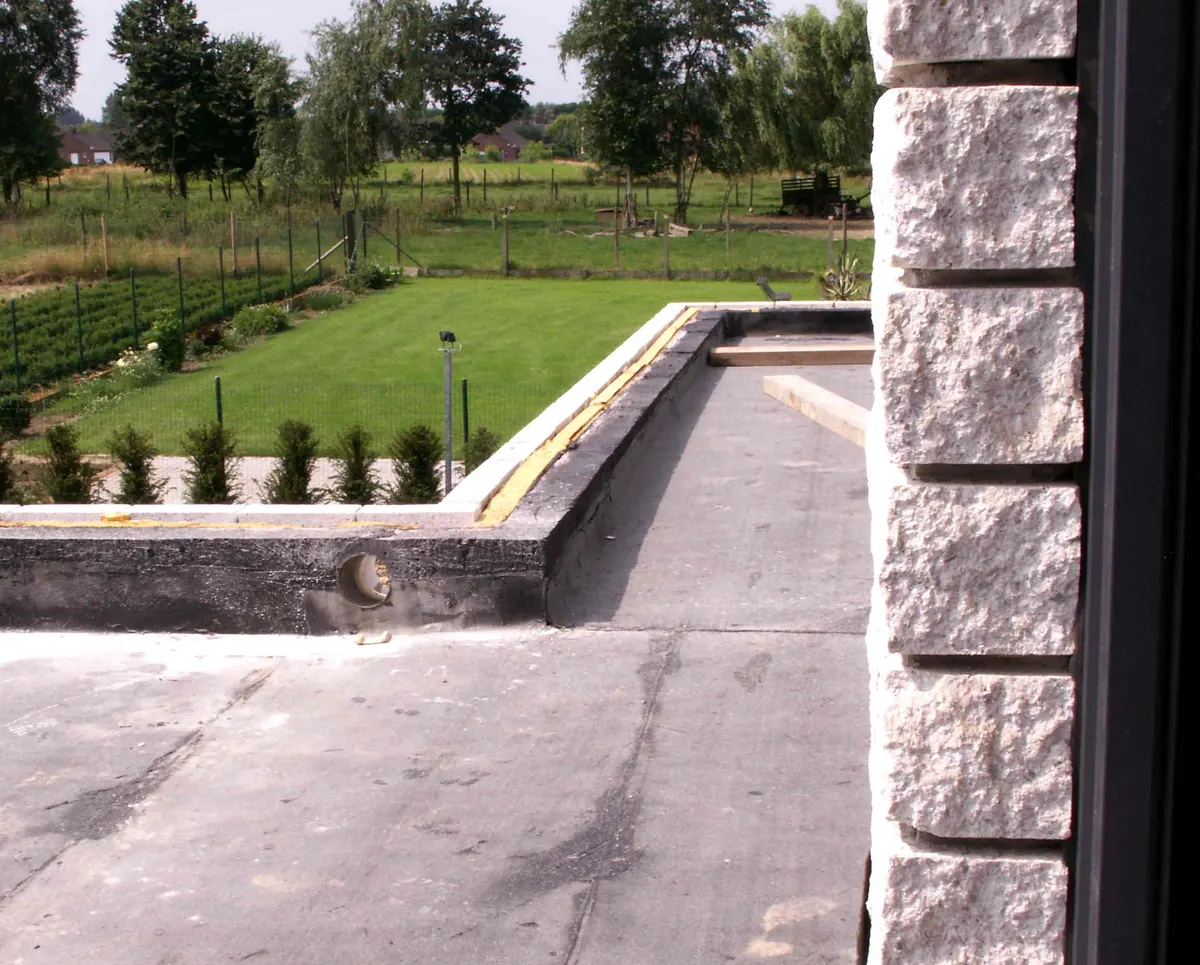
Exposed roofs: APP with a mineral cap is the usual starting point, because heat and UV are the main loads. Sika's SikaShield P26 MG SA 4 mm, for example, is an APP sheet with mineral slate flakes on top "to protect the membrane from UV radiation and ageing" and lists UV-exposed flat roofs among its uses.
Protected roofs, podiums and basements: both work, because the membrane is shielded from sun. SBS earns its place where the structure moves more (long-span slabs, settlement-prone foundations, detailed upstands) and where a more forgiving sheet helps around complex details.
Whatever the spec says: APP and SBS are not interchangeable once a consultant has named one. Ask for the data sheet of the substitute and the consultant's written approval.
Reading a bitumen membrane data sheet
When comparing quotes, line up these values from each supplier's sheet rather than the product names:
Polymer: APP, SBS, or a blend. The data sheet should state it.
Thickness: 3, 4 or 5 mm are common; Tremco's TREMPROOF SBS comes in 4 mm and 5 mm, and Sika's sheets are 4 mm plus or minus 0.2 mm. Compare like with like.
Reinforcement type and weight: for example polyester 180 or 200 g/m². Baumerk recommends polyester felt for structures at risk of expansion and settlement.
Softening point and heat resistance: Tremco gives a softening point above 120 °C and "no flow" after 2 hours at 100 °C for TREMPROOF SBS; Sika gives about 150 °C for its APP sheet.
Cold flexibility: Tremco notes TREMPROOF SBS can be made with cold flexibilities of minus 15, minus 20 and minus 25 °C depending on the specification. In the Gulf, this is a quality indicator more than a design need.
Top surface: plain polyethylene film, sand, mineral slate, aluminium foil or geotextile. Tremco lists all five finishes. Film-faced sheets need a covering; mineral and foil finishes are for exposure.
Test basis: ASTM D5147 test methods, UEAtc, or EN product standards (see standards below). Tremco states TREMPROOF SBS is tested to ASTM and UEAtc requirements and gives a 5 to 20% tolerance on its values.
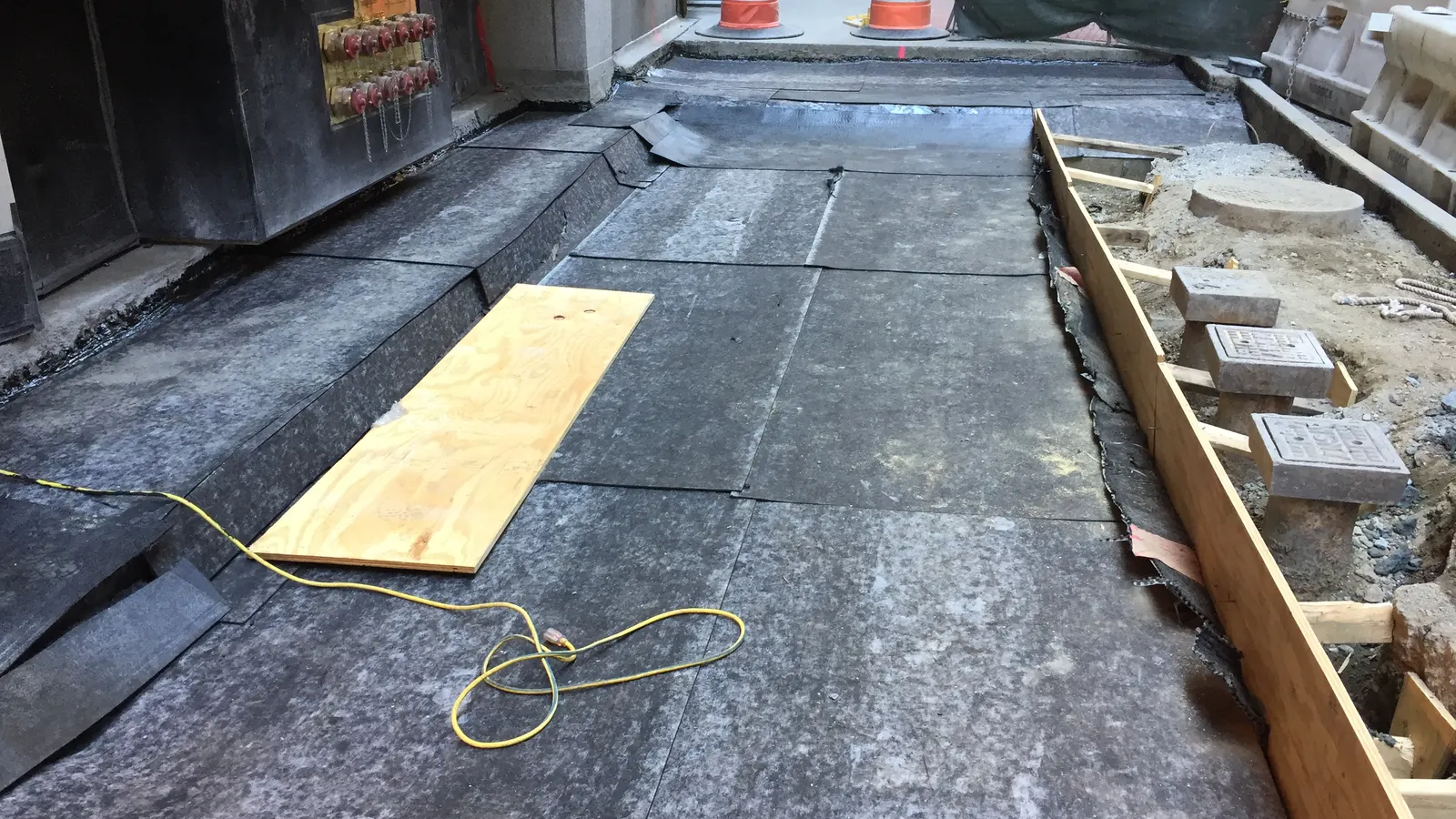
Choose torch-on for speed and proven bond on large open areas where hot work is safe. Choose self-adhesive where an open flame is a risk: occupied buildings, refurbishment over combustible layers, near insulation, timber or plant, and tight below-ground work.
Question
Torch-on sheets
Self-adhesive (peel and stick) sheets
How it bonds
Underside melted with a propane torch, then rolled onto a primed substrate
Release film peeled off and the sheet pressed onto a primed substrate
Laps
Torched and sealed; Tremco specifies 100 mm side laps and 150 mm end laps, with a bead of molten bitumen showing at the edge
Pressure-sealed; follow the maker's lap width and any lap sealant
Fire risk
Open flame; hot work permit, fire watch and extinguishers needed
No flame
Substrate
Clean, dry, primed; Tremco asks for no cavities, nibs or laitance
Very dry and clean; Sika asks for 4% moisture or less, no rising moisture, and substrate 3 °C above dew point
Typical Gulf use
Roofs, podiums, basements, tanking
Below-ground walls and slabs, refurbishment, areas where hot work is restricted
Sika's self-adhesive SikaShield E55 PE SA, for example, is an SBS-modified compound on a black HDPE carrier film reinforced with non-woven polyester, 1.5 mm thick, for below-ground slabs, foundations and the outside of external walls. Polyglass makes self-adhered versions of both APP and SBS sheets.
Torch safety is a specification issue, not only a site issue
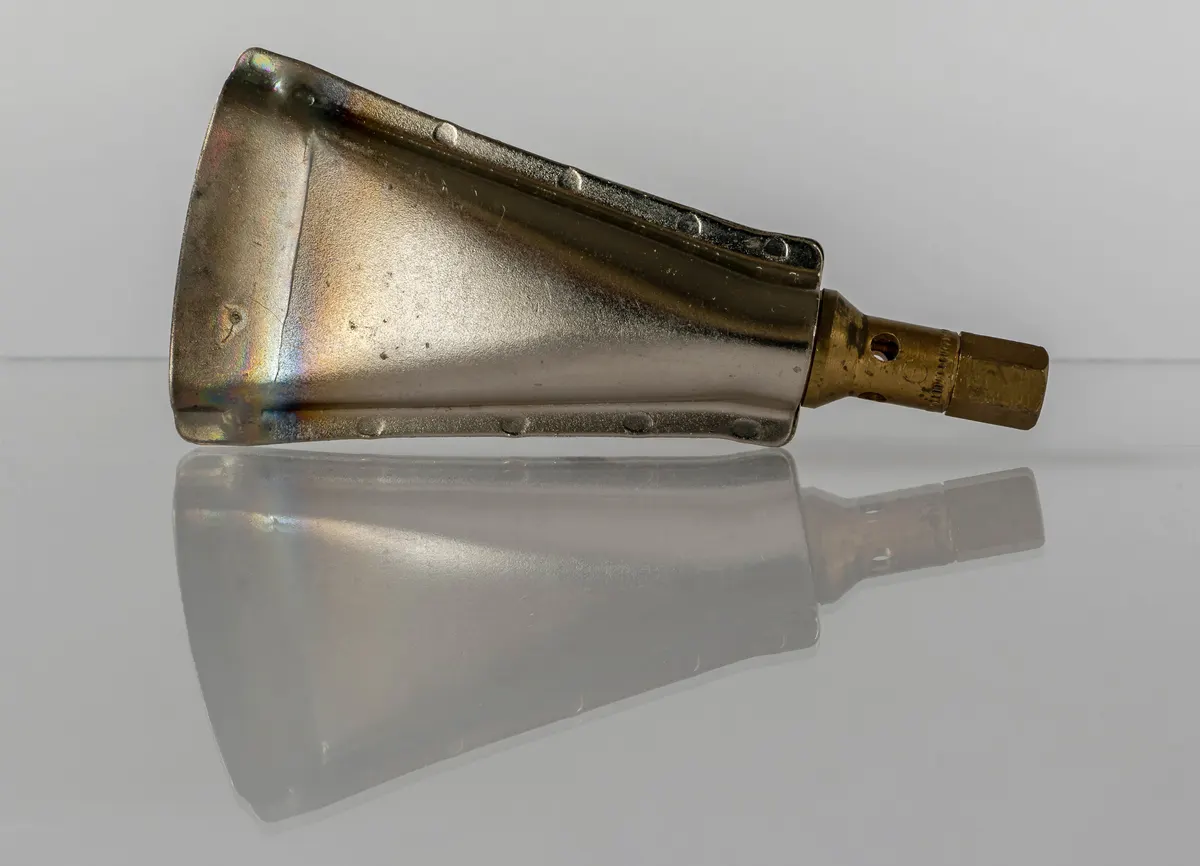
The UK roofing federation NFRC runs a campaign called Safe2Torch, launched in 2017, to cut roof fires caused by gas torches. Its core rule is that fire risks should be identified at survey stage and, where a risk "cannot be ruled out", the specification "must default to torch-free solutions". That logic transfers well to Gulf sites. Before you approve a torch-on specification, check:
What is under and next to the membrane: insulation boards, timber, cable trays, plant, facade cladding.
Whether the site's permit-to-work system covers torching as hot work, with a fire watch after the last torch goes out.
Whether a self-adhesive or cold-bonded alternative from the same system can be used at high-risk details.
Sika's torch-on sheets carry the note that they may only be used by experienced professionals. Ask the supplier for the applicator's training record on the specific product.
Gulf heat affects bitumen sheets before and during installation.
Application window. Sika gives +5 °C to +50 °C air temperature and +5 °C to +65 °C substrate temperature for its torch-on SikaShield sheets, and +5 °C to +50 °C for the self-adhesive E55. Schedule exposed summer work to stay inside those limits.
Storage. Tremco says TREMPROOF SBS rolls must be stored vertically in a shaded area, covered with thick fabric, and that excessive sunlight, UV and heat cause "considerable deterioration" and shorten the 12-month shelf life. Sika says to keep self-adhesive rolls between +5 °C and +35 °C, stored vertically and not stacked. Rolls left flat in the sun can stick together and deform.
Overheating during torching. BMI warns that SBS melts with less heat and that overheating can cause excessive bleed and warping. Ask the applicator how they control torch heat on SBS.
Protection boards and covering layers
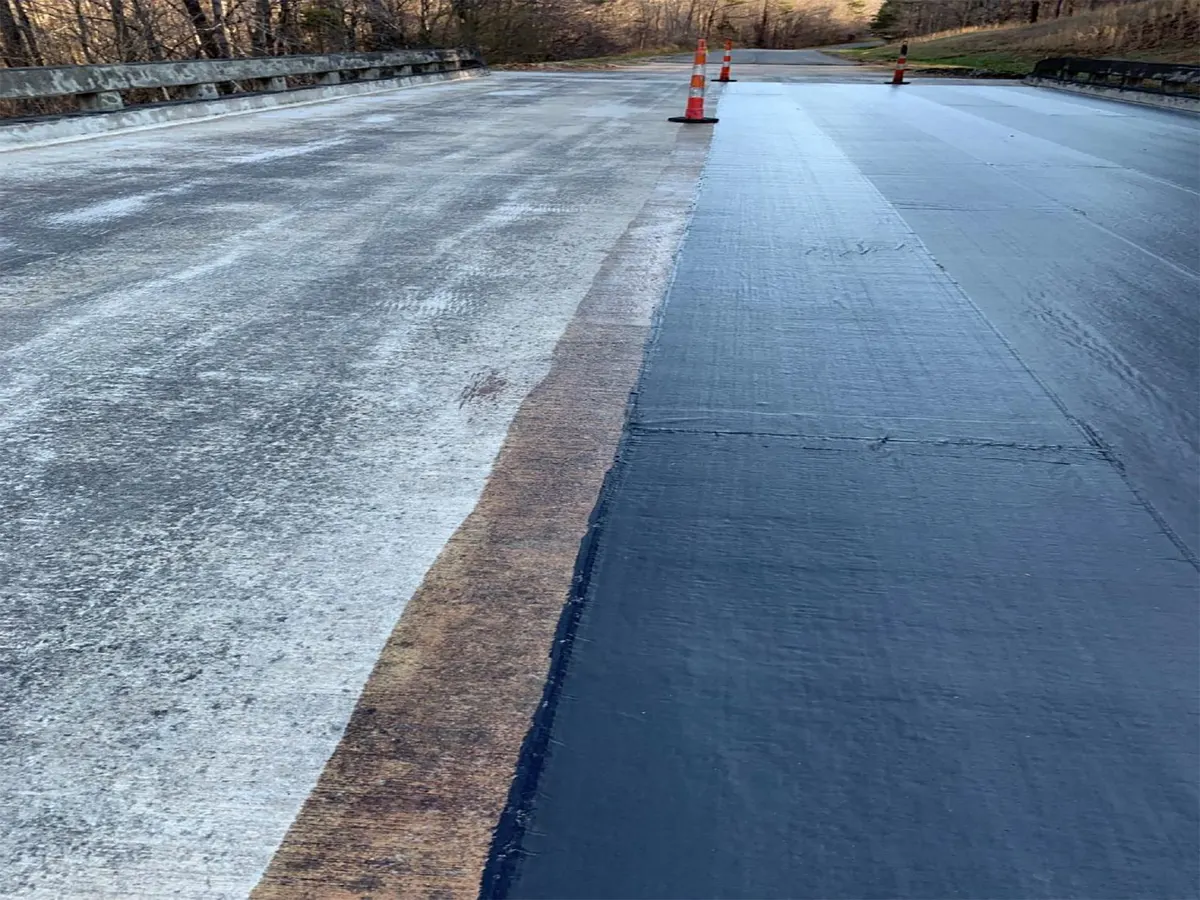
Most film-faced sheets, APP or SBS, are designed to be covered. Sika lists its plain-faced torch-on sheets for flat roofs "under protective layers or ballast" and for balconies and wet rooms under screed or tiles. Below ground, backfill is the main threat.
A protection board does that job without a separate screed or blockwork skin. Sika describes its SikaShield PB P15 boards as semi-flexible, pre-molded bitumen boards, 3 to 6 mm thick, compatible with torch-applied or self-adhesive bituminous membranes, that protect "against sharp stones when backfilling", resist site impact and groundwater salts, and can be laid vertically or horizontally. Specify the protection layer with the membrane, from the same system where possible, and inspect the membrane before it is covered. For roofs, the covering may be insulation; check the membrane and the roof insulation are approved together.
Bitumen sheets are tested to European or American standards, and Gulf specifications use both. Make sure every bidder is quoting against the same one.
EN 13707: Flexible sheets for waterproofing. Reinforced bitumen sheets for roof waterproofing. Definitions and characteristics. BSI lists the 2013 edition as current and under review.
EN 13969: Flexible sheets for waterproofing. Bitumen damp proof sheets including bitumen basement tanking sheets. Definitions and characteristics. BSI lists the 2004 edition as current.
ASTM D6222/D6222M-16(2023): Standard Specification for Atactic Polypropylene (APP) Modified Bituminous Sheet Materials Using Polyester Reinforcements (astm.org). ASTM says it is a material specification only, sets minimum properties, and does not cover in-place design matters such as fire resistance, uplift or the need for coatings. For SBS sheets, ask the supplier which ASTM specification their product is certified to.
ASTM D5147: the test methods that most Gulf data sheets quote for thickness, tensile strength, elongation and cold flexibility (both the Sika and Tremco sheets above use it).
The two EN standards matter because a roof sheet and a basement tanking sheet are tested for different things. If a supplier offers one product for both, ask for evidence against each use.
UAE and Saudi notes
UAE
For exposed roofs in Dubai, the finished surface must meet the Al Sa'fat reflectance requirement, which affects the choice between a mineral cap sheet, a reflective coating or a covered roof; the main waterproofing guide sets out the Dubai Municipality route. Henkel's EPD for BituPLUS P4200 names it as a UAE product.
Saudi Arabia
Saudi buyers can source bitumen sheets locally or import them through SASO's SABER platform, as explained in the main guide. Either way, ask which standard the sheet is certified to (EN or ASTM) and whether the certificate covers the exact thickness and finish you are buying.
Brands to compare
Listed by what their own pages show, not ranked.
Sika
Sika's GCC SikaShield range includes plastomeric (APP) and elastomeric (SBS) torch-on sheets, mineral-surfaced APP cap sheets, self-adhesive SBS sheets for below ground and bitumen protection boards, with several products marked for hot and tropical climates. It suits buyers who want both polymer families and the protection layer from one system.
Tremco
Tremco sells TREMPROOF SBS through Stoncor Middle East in Dubai: a 4 or 5 mm SBS sheet on 200 g/m² polyester with plain, slate, aluminium, geotextile or sand finishes, for foundations, roofs, pile heads, wet areas, pools and tunnels. It suits contractors who want an SBS sheet with a regional office behind it.
Henkel (Polybit)
Henkel publishes environmental product declarations for its Polybit BituPLUS APP and SBS sheets, which is useful on projects that score embodied carbon or ask for EPDs.
For the wider brand field, including Soprema, BMI Icopal, Awazel and Bitumat, see the brands section of the waterproofing membranes guide.
RFQ checklist for bitumen membranes
Location and exposure: exposed roof, protected roof, podium, basement wall or slab, wet area.
Polymer (APP or SBS), thickness, reinforcement type and weight, top finish.
Standard: EN 13707 (roofs) or EN 13969 (tanking), or the ASTM specification named in the project documents; certificate for the exact product.
Data sheet values: softening point, heat resistance, cold flexibility, tensile strength, elongation, with test methods.
Application: torch-on, self-adhesive or cold-bonded; primer; lap widths; how hot work risk is controlled.
System items: protection board or covering, insulation compatibility, flashings, outlets and upstand details.
Applicator approval, warranty terms, storage arrangements on site, delivery lead time.
What is the difference between APP and SBS membranes?
Both are bitumen sheets modified with a polymer. APP (atactic polypropylene) is plastomeric and gives a higher softening point and better heat and UV resistance; Sika's APP sheet softens at about 150 °C against about 110 °C for its SBS sheet. SBS (styrene-butadiene-styrene) is elastomeric and stays flexible at much lower temperatures, which makes it more forgiving where the structure moves.
Which is better for hot climates, APP or SBS?
For exposed roofs in hot climates, APP is the usual choice because of its heat and UV resistance; BMI says APP is typically chosen in hotter climates. Under protection, such as in basements, podiums and inverted roofs, both work, and SBS may be preferred where more movement is expected. Follow the consultant's specification and compare data sheet values.
Is bituminous waterproofing torch-on only?
No. Bitumen sheets are also made as self-adhesive (peel and stick) membranes, such as Sika's SBS-based SikaShield E55, and Polyglass says SBS sheets can also be hot-mopped or bonded with cold adhesive. Self-adhesive sheets avoid open flame, which helps on occupied buildings and near combustible materials, but they need a very dry, clean, primed substrate.
Can bitumen membranes be left exposed to the sun?
Only if made for it. Mineral-surfaced or foil-faced sheets are designed for exposure; Sika's SikaShield P26 MG is an APP sheet with mineral slate flakes to protect against UV and ageing. Plain film-faced sheets are meant to be covered by screed, tiles, ballast, insulation or a protection board.
What thickness of bitumen membrane should I use?
Both Sika and Tremco list 4 mm sheets in the Gulf, and Tremco also makes 5 mm. The project specification and system design decide the thickness and number of layers. Compare reinforcement weight and data sheet values, not only thickness.
Which standards apply to bitumen waterproofing membranes?
In European terms, EN 13707 covers reinforced bitumen sheets for roofs and EN 13969 covers damp-proof and basement tanking sheets. In American terms, ASTM D6222 covers APP sheets with polyester reinforcement. Data sheets also quote ASTM D5147 test methods. Ask which standard the certificate covers.
How one-component and two-component polyurethane, PU/polyurea hybrids and hot-spray pure polyurea differ, where each suits Gulf roofs, decks, wet areas and tanks, and what the data sheets and approvals should show.
How to choose a roof waterproofing build-up for Gulf heat, why roofs leak at falls, outlets, upstands and plant bases, how to test a finished roof, and what to put in the warranty and maintenance plan.
Rigid or flexible cementitious waterproofing, where each works (wet areas, tanks, pools, basements from the inside), how thick to apply it, how to cure it in Gulf heat and what to ask suppliers for.